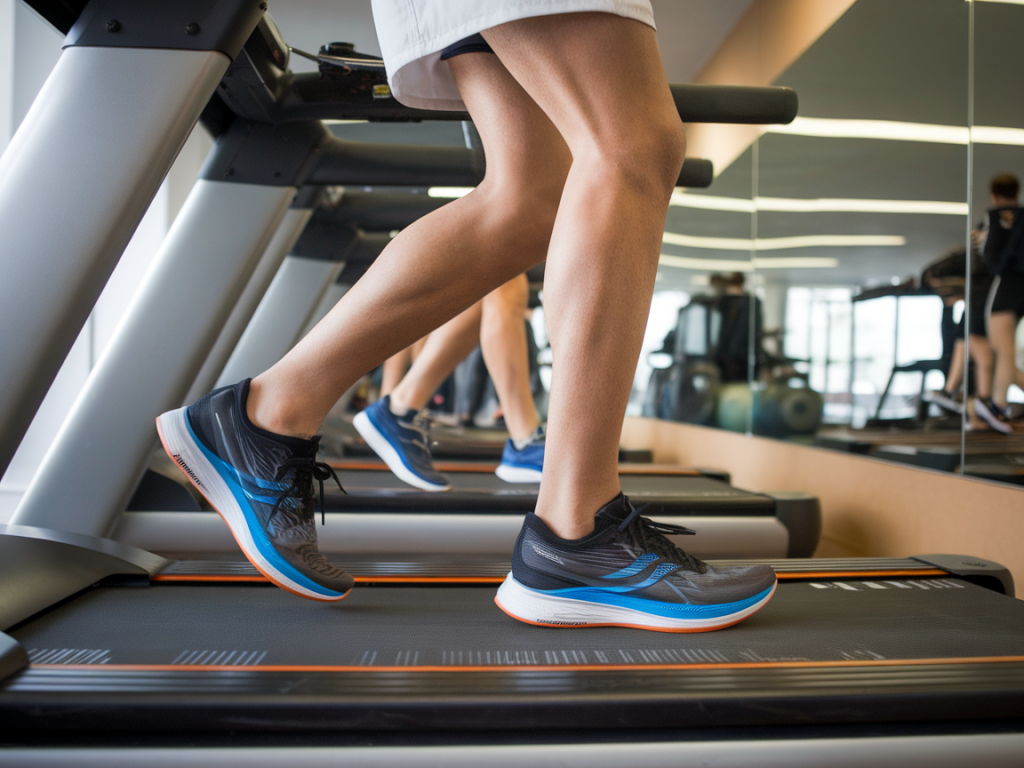
I remember the first time I bought a pair of supportive running shoes that felt clinically perfect on the shop floor — but after two short runs my heels burned and my knees felt cranky. Breaking in shoes shouldn’t be a gamble between blistered feet and joint pain. Over the years I’ve learned a reliable, research-backed approach to introduce supportive running shoes to your feet and body gradually, so you keep comfort and function intact from day one.
Why “breaking in” supportive shoes matters
Supportive running shoes often have structured midsoles, firmer heel counters, and extra arch support. Those features help control unwanted motion and protect your joints, but they also change how forces travel through your feet, ankles and knees. A sudden shift in support or stiffness can irritate soft tissues, change stride patterns, and produce blister hotspots.
My goal when I break in a new pair is to let tissues, nervous system and movement patterns adapt slowly. That reduces friction blistering, prevents overload in the knees, and makes the shoe feel like a seamless extension of my body.
Get the fit right before you run
A bad fit is the most common cause of blisters and discomfort. Before you take the shoes outside, do these checks at home:
- Length: There should be a thumb’s width of space (about 1–1.5 cm) from your longest toe to the front of the shoe when standing.
- Width: The shoe should contain your forefoot without compressing the toes. If your toes feel squashed, try a wider size or a model with a roomier toe box (Altra, Topo or New Balance have roomier lasts).
- Heel lock: The heel should sit secure without slipping. Heel slip increases friction and blisters.
- Arch contact: Support should feel comfortable — not like a pressure point. If the arch feel is harsh, consider adding a thin sock liner first before trying orthotics.
Sock choice and friction management
Socks matter more than most people realise. Poor-quality cotton socks increase moisture and friction, a perfect recipe for blisters.
- Choose seamless, synthetic or wool-blend running socks (e.g., Smartwool, Darn Tough, Balega). They wick moisture and reduce hotspots.
- Consider double-layer socks if you’re prone to blisters (e.g., Wrightsock). These create relative motion between layers rather than between skin and shoe.
- Use anti-blister tape or a small band-aid on known hotspots as a temporary protection during the break-in phase.
Start with short, easy sessions
I always start new shoes with short, controlled activity rather than a long run. That means brisk walks, short jogs or easy treadmill runs. A practical progression looks like this:
| Week | Activity |
| 1 | Walk 20–30 minutes; 1–2 short easy jogs of 10–15 minutes |
| 2 | Combine longer walk (30–45 mins) + 15–25 minute easy runs; monitor comfort |
| 3–4 | Increase run time gradually by 10–20% per session; include one rest or cross-training day |
This progression gives skin, plantar fascia, calf muscles and knees time to adapt. If something aches beyond mild soreness, back off and repeat the previous comfortable stage.
Use lacing strategies to control fit and pressure
How you lace your shoes changes pressure distribution. Small adjustments can prevent toe jamming, heel slip and painful hotspots.
- Try the “heel lock” (surgeon’s knot) to secure the heel without over-tightening the forefoot.
- If you get toe numbness or pressure, use a forward-lacing pattern that leaves the top of the forefoot a bit more generous.
- If your midfoot feels squeezed, skip one eyelet or try elastic laces that move with your foot.
Watch your biomechanics — small changes reduce knee load
Supportive shoes can change knee loading patterns. Don’t assume they’ll magically fix technique. Pay attention to:
- Cadence: A slightly higher step rate (5–10% increase) often reduces peak knee loads and can feel more comfortable in firmer shoes. Try focusing on a metronome for a few easy runs.
- Stride length: Avoid overstriding; land under your center of mass to reduce braking forces through the knee.
- Posture: Slight forward lean from the ankles (not the hips) helps absorb impact through ankle and hip rather than dumping load into the knees.
Introduce inserts thoughtfully
If you use custom orthotics or over-the-counter insoles, don’t drop them in and double the support overnight. Inserts change foot mechanics and can create pressure points.
- Start by wearing the new insert for short walks and progressively increase time over a week or two.
- If you have custom orthotics, check the shoe volume — some models won’t accommodate thick orthotics without compromising fit. You may prefer a shoe with a deeper last.
- If an insert causes pain, try a thinner option temporarily while you adapt.
Supportive strength and mobility work
Breaking in shoes is also an opportunity to strengthen the muscles that support your knees and feet. I pair new shoes with a few short daily drills:
- Single-leg calf raises: 2 sets of 10–15 reps to strengthen calf-soleus complex.
- Glute bridges or single-leg bridges: 2–3 sets of 8–12 reps to support hip control.
- Short foot exercises: gentle arch lifts (10–20 seconds holds) to increase intrinsic foot strength and improve comfort in supportive shoes.
Recovery, monitoring and troubleshooting
Pay attention to early warning signs and address them early:
- Hotspots or small blisters: Stop running, protect the area with tape or a blister plaster, and reduce mileage until healed.
- Persistent knee pain: Reduce load, review cadence and stride, and consider a short period of cross-training (cycling or swimming) while you reassess form and shoe fit.
- Nerve tingling or numbness: Often related to tight lacing, a too-narrow toe box, or compression. Loosen laces or switch to a roomier shoe.
Finally, keep a simple log for the first few weeks: duration, surface, any discomfort and what you did differently (socks, lacing, inserts). Patterns usually appear quickly — and they tell you whether to persist, adjust, or seek professional advice.
Breaking in supportive running shoes is a gradual process of matching shoe features to your anatomy and nervous system, while giving tissues time to adapt. With the right fit, sensible progression, attention to socks and lacing, and a few strengthening drills, you can enjoy the protection of supportive shoes without paying the price of blisters or knee pain.