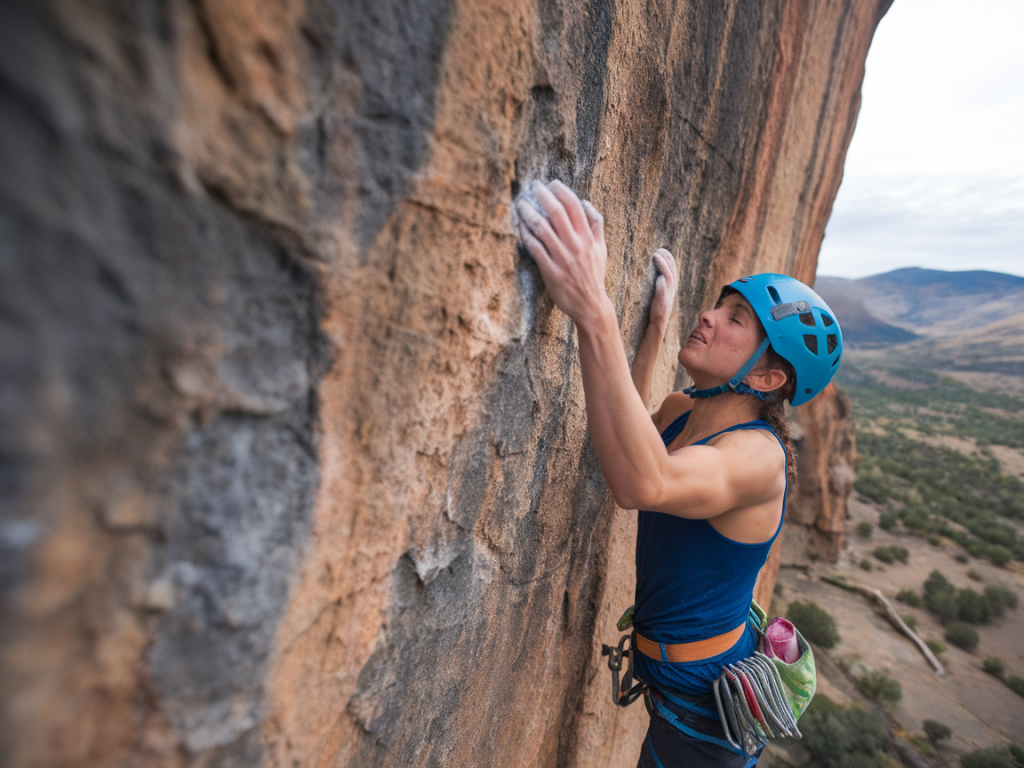
I remember the first time I felt that odd, tingling numbness in my toes halfway up a climb — a split second of “huh” that turned into persistent pins-and-needles after I took my shoes off. Foot numbness while (or after) rock climbing is surprisingly common, and it’s often something you can troubleshoot yourself with a few simple checks and adjustments before booking an appointment with a clinician. Below I share a practical, step-by-step self-check and a set of fixes I’ve found helpful for myself and clients. These are meant to be safe, approachable, and grounded in common causes we see with climbing footwear, mechanics, and foot health.
Why climbing can make your feet go numb
Numbness during climbing usually comes down to either pressure on a nerve, reduced circulation, or a combination of both. Climbing shoes are intentionally snug to give sensitivity and control — but that tightness can press on nerves (especially the dorsal digital nerves and branches of the tibial nerve), pinch the top of the foot, or compress the metatarsal area. Add prolonged toe cramping, excessive plantar forefoot pressure, or swollen feet after a long session, and sensation can get dulled.
Other contributing factors include:
- Foot shape vs. shoe shape mismatch (pronation, high arches, wide forefoot).
- Incorrect lace/closure tension — too tight over the toes or midfoot.
- Sock choice or double-layer liners that bunch up in the toe box.
- Prior nerve sensitivity (e.g., Morton’s neuroma, tarsal tunnel symptoms).
- Circulatory issues from staying in one position or having constrictive shoes.
A simple, step-by-step self-check you can do after a climb
Do this in a calm place where you can sit and remove your shoes. The goal is to compare how your feet feel, find potential pressure points, and test basic nerve and circulation signs.
1. Visual and touch inspection
- Remove shoes and socks, and compare both feet visually. Look for redness, swelling, or blistering.
- Run your hands along the top, sides, and sole. Feel for hot spots, unusual swelling, or areas that feel numb or different compared to the opposite foot.
2. Wiggle test and active movement
- Can you wiggle all your toes? Try dorsiflexing (bringing toes toward your shin) and plantarflexing (pointing toes away). Weakness or inability to move a toe suggests nerve involvement and needs attention.
- Note any pain or sharp sensation during movement.
3. Light touch and two-point sensation
- With your eyes closed, lightly touch each toe top and bottom with a finger or cloth. Compare left vs. right. Is one side less sensitive?
- If you have a paperclip or pin (gently bent), test two-point discrimination lightly along the forefoot. A crude test, but it can reveal areas of reduced sensation.
4. Capillary refill and temperature
- Press a toenail or toe pad until it blanches, then release. The color should return within about 2 seconds. Much slower could indicate circulation issues.
- Compare the temperature of your feet by touch — cooler feet can suggest reduced blood flow (or simply exposure).
5. Recreate pressure points
- While barefoot, press gently where your shoe felt tight — forefoot, toe box top, or along the dorsum. If that reproduces the numbness/tingling, the shoe or lacing pattern is a likely culprit.
Easy fixes you can try right away
If your self-check points to pressure or poor circulation rather than sudden severe weakness or intense pain, try these practical fixes before seeing a clinician.
Shoe and fit adjustments
- Loosen the shoes between climbs — especially across the metatarsal arch and instep. Slightly less tension can reduce nerve pressure without sacrificing performance.
- Experiment with lacing patterns: a lower-volume or “skip lacing” across the top of the toes can relieve pressure. Try lifting the shoe tongue while tightening lower laces and then secure the top a bit looser.
- Check shoe size and model. If toes feel squashed against the toe box, consider a different last (some brands like La Sportiva, Five Ten, Scarpa have different toe shapes) or going up a half size for longer sessions.
- Use thin, breathable socks or sock liners. Thick socks can reduce space; liners can reduce friction but must be smooth and wrinkle-free.
Short-term in-session strategies
- Take regular shoe-off breaks between pitches, or at belays, to let toes recover and circulation return.
- Change foot position or edging technique — avoid prolonged, intense toe cramming on small edges if that triggers numbness.
- Reduce down on heel-and-toe tension; sometimes shifting weight toward the heel or using smearing reduces forefoot compression.
Mobility and nerve gliding
- Try gentle ankle circles and toe curls immediately after climbing to encourage blood flow.
- Nerve glides can help if a nerve has been mildly irritated: for the tibial nerve (affecting plantar/dorsal foot), try seated ankle dorsiflexion with toe extension and knee straightened — move slowly and stop if it increases sharp pain.
- Short foot and intrinsic strengthening (toe splaying, marble pickups) can reduce repetitive cramping and improve tolerance over time.
Anti-inflammatory and recovery practices
- Elevate feet for 10–15 minutes after a session and gently massage the arch and dorsal foot.
- A cold pack applied briefly can reduce swelling if you notice significant puffiness (15 minutes on, 15 off).
- Hydration and reducing salt after a long, hot day of climbing can limit swelling that worsens compression.
When you should see a clinician
Most mild numbness that resolves within a few hours after off-loading and simple adjustments is not an emergency. But seek professional help if you notice any of the following:
- Sustained or worsening numbness lasting more than 24–48 hours.
- Persistent weakness or inability to move toes, which could indicate more significant nerve involvement.
- Sharp, shooting pain down the foot or into the calf, or foot that’s cold and pale with delayed capillary refill.
- New swelling with redness, warmth, or signs of infection after a blister or skin break.
- A history of neuropathy (e.g., diabetes) — get earlier assessment if sensation changes.
Clinicians (a sports podiatrist or physiotherapist experienced with climbers) can perform more detailed nerve testing, ultrasound for neuromas, or gait/shoe analysis. If nerve compression from footwear is significant, they may recommend custom orthoses, different shoe recommendations, targeted rehabilitation, or in rare cases, nerve-specific interventions.
Small preventive habits I swear by
Over the long run I’ve found the following routine saves a lot of discomfort:
- Rotate shoe models so you don’t always stress the same tissues in the same way.
- Perform foot mobility and intrinsic strength work 3–4 times per week (short sessions of toe spreads, short foot lifts, and ankle mobilizations).
- Check shoes regularly for tight spots and consider resoling rather than forcing an old last that no longer fits right.
- Use breathable, thin socks or liner socks and avoid bulky padding in the toe box for longer climbs.
If you’d like, I can make a short downloadable checklist (shoe fit, quick self-check, and immediate fixes) you can print and keep in your gear bag. And if you’re dealing with persistent numbness, tell me more about where you feel it and what shoes you climb in — I’ll help you narrow down likely causes and next steps.