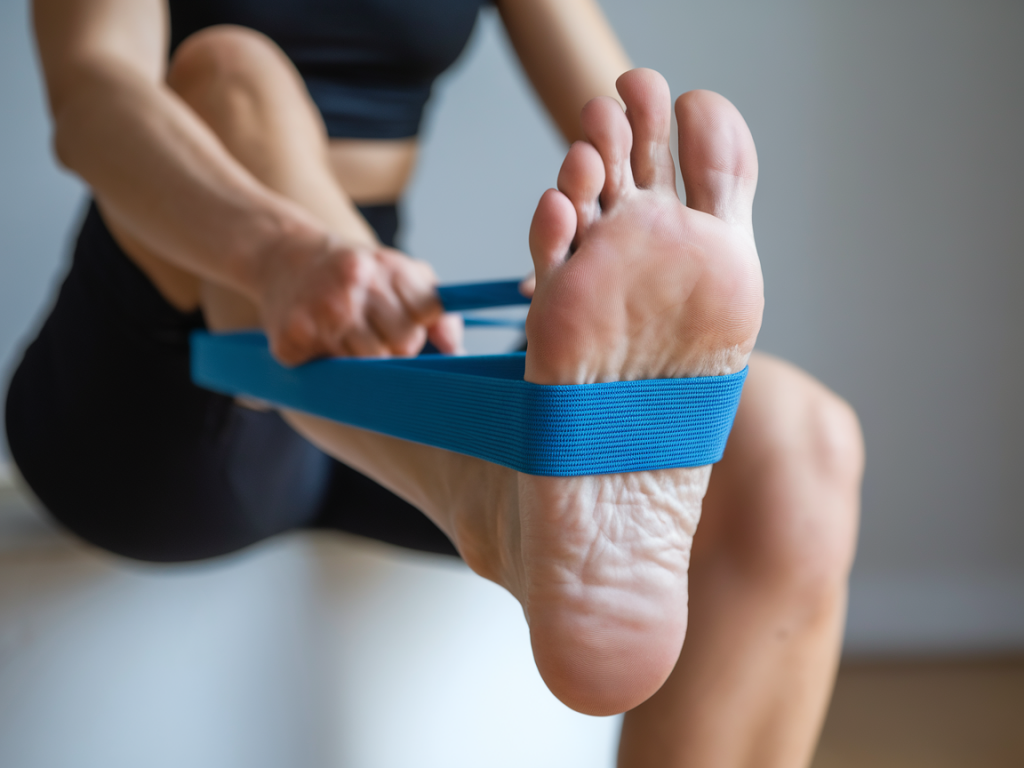
I’ve had my fair share of late-night toe cramps and those sudden jolts of pain that twist you out of sleep. Over the years, I’ve experimented with stretches, hydration tricks, magnesium supplements, and footwear swaps—and one of the simplest, most consistent helpers has been turning foot strengthening into a tiny, playful daily ritual. In this post I’ll share why short, game-like drills can interrupt recurring toe cramps and how you can build a five-minute practice that’s actually fun to stick with.
Why play-based foot strengthening helps
Toe cramps are often multifactorial: muscle fatigue, poor neural coordination, tightness in surrounding tissues, or even footwear that changes how your toes engage. When toes aren’t used regularly for gripping and balancing, the small intrinsic foot muscles can become weak or uncoordinated. That makes them more susceptible to sudden spasms when you ask them to work — for example, getting out of bed or pushing off during a walk.
Playful drills target two things that matter for cramp prevention: strength and neuromuscular control. Strength reduces the likelihood of rapid fatigue. Neuromuscular drills — the little games — teach your nervous system how to recruit toe muscles smoothly and efficiently. The added bonus? Games promote consistency. If a routine feels like a short, enjoyable challenge, you’re more likely to do it daily, and that cumulative effect is what changes tissue resilience.
How I structure five minutes
Five minutes is long enough to create neural learning and modest strength gains if you focus and repeat consistently. I break the session into three mini-games: activation, coordination, and endurance. You can do these seated, standing, or barefoot on a mat — I prefer barefoot because it gives better sensory feedback.
Here’s a sample sequence you can do every morning or evening. I usually run through it while my tea brews or after brushing my teeth, so it becomes a small habit rather than a chore.
- Activation (1 minute) — Quick wake-up for intrinsic muscles.
- Coordination (2 minutes) — Playful patterns to improve neural control.
- Endurance (2 minutes) — Light holds and repetitions to build fatigue resistance.
Simple foot-strengthening games
Below are drills I use and recommend. Each is explained with cues so you know what to feel. Do them slowly at first, then increase tempo when the movement is clean.
- Toe spread and hold (1 minute)
Sit or stand. Spread your toes as wide as possible without lifting them off the ground. Hold for 5 seconds, relax 3 seconds. Repeat for 1 minute. Cue: think of creating space between each toe — the forefoot should feel active but not scrunched. - Marble pick-up (2 minutes)
Place 8–10 marbles or small pebbles on the floor. Use your toes to pick them up one by one and drop them into a cup. Make it a timed game — how many can you pick up in 2 minutes? Cue: try to use the tips of your toes and feel the arch lift slightly as you grab. This trains flexor strength and coordination. - Alphabet with toes (2 minutes)
Still seated, use your toes to “write” the alphabet on the floor (or on a towel). For each letter, aim for a deliberate movement. If the alphabet is too long, do A–M one day, N–Z the next. Cue: imagine your toes are tiny paintbrushes painting shapes — the movement should be precise, not forceful. - Domino balance (progression)
Stand on one foot and try to gently tap the big toe of the lifted foot on a lightweight object (or the floor) without shifting your hip. This is great for single-leg control. Start with 10 taps each side. Only try this once your toes feel active and warm.
Quick variations when time or space is limited
Not every day will allow marbles and alphabets. Here are compact alternatives that still work the same systems.
- Seated towel scrunch — Place a small towel under your feet and scrunch it toward you with your toes for 30–60 seconds.
- Heel lifts with toe splay — Rise onto the balls of both feet while actively splaying toes; lower and repeat 10–15 times.
- Toe taps — Rapidly alternate tapping each toe to the ground while keeping the heel down for 30 seconds. This builds quick coordination.
How these drills specifically target toe cramps
There are three protective effects I’ve noticed and that research supports:
- Improved muscle endurance — Regular short holds and repetitions reduce the tendency for small muscles to fatigue quickly.
- Better neural timing — Coordinative games refine how and when the nervous system tells muscles to contract, reducing abrupt, uncoordinated contractions that feel like cramps.
- Greater mobility and tissue health — Spreading, gripping, and dynamic use helps maintain flexibility in the plantar fascia and ensures tendons glide smoothly.
Practical tips and troubleshooting
- If cramps happen at night: Do a short activation sequence before bed — 1–2 minutes of toe spreads and towel scrunches. I keep a pair of marbles by my nightstand when I’m in a committed phase.
- Hydration and electrolytes: Foot exercises help, but don’t ignore basics. If cramps are frequent, check hydration and electrolytes (especially magnesium and potassium). A food-first approach is ideal — bananas, leafy greens, nuts — but supplements like magnesium citrate can help in consultation with your clinician.
- Footwear matters: Shoes that compress toes or have elevated heels change muscle demands. When possible, incorporate barefoot time at home or use wide-toe shoes (Altra, Vivobarefoot) for short walks to encourage toe engagement.
- Progression: If a drill becomes easy, make it harder: heavier marbles, longer holds, single-leg balance, or doing the routines on a slightly uneven surface (cushion or foam pad).
- When to see a professional: Sudden, severe cramps that don’t respond to simple measures, or cramps associated with numbness, weakness, or systemic symptoms, should be evaluated by a clinician.
Small habit ideas to keep you consistent
Create tiny anchors so the five-minute routine becomes part of your day:
- Do it while your kettle boils or during TV commercials.
- Keep a small box of marbles or a towel next to your sofa.
- Track a 14-day streak — short routines compound quickly.
- Make it social — challenge a friend to a fun marble pickup competition.
| Time | Drill | Duration |
| 0:00–1:00 | Toe spread & hold | 1 minute |
| 1:00–3:00 | Marble pick-up / towel scrunch | 2 minutes |
| 3:00–5:00 | Alphabet with toes / toe taps | 2 minutes |
I’ve found that these five-minute, game-like practices not only reduce the frequency of toe cramps but also make my feet feel more present and capable during daily movement. Try them for a few weeks and notice how small consistent habits can protect your feet and improve comfort over time. If you'd like, tell me where your cramps tend to occur and what you've already tried — I’ll recommend tweaks that fit your routine.