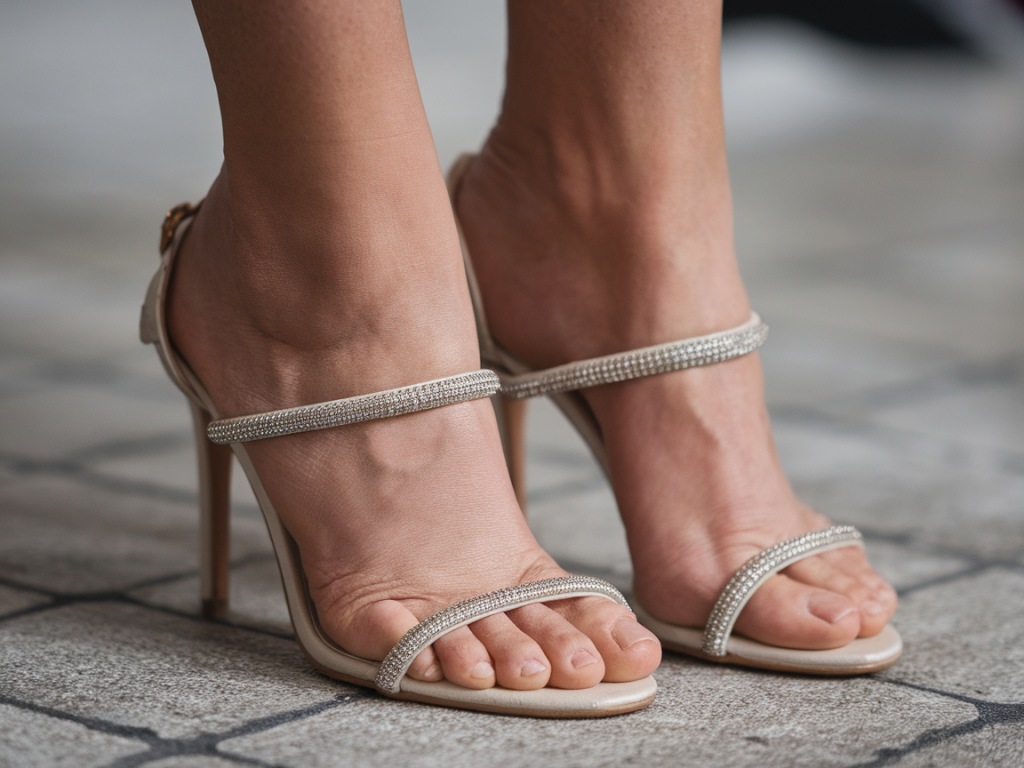
Metatarsal pain—those sharp, burning or aching sensations across the ball of the foot—can creep up on you slowly. Often it’s not a dramatic injury but something our daily shoes are quietly encouraging. I’ve worked with many people (and tested a lot of shoes myself) and I’ve seen the same pattern: the shoes we reach for most often are the ones that make metatarsal pain worse. Below I’ll walk through which everyday shoes tend to be the culprits, why they aggravate metatarsal problems, and exactly what to swap them with so you can keep moving comfortably.
Why everyday shoes matter for metatarsal pain
When we think about foot pain, many of us focus on running shoes or high heels, but it’s actually the shoes you wear every day—what I call “default footwear”—that have the biggest cumulative effect. Tight toe boxes, excessive forefoot pressure, stiff soles, and lack of support all increase load through the metatarsal heads. Over time this can irritate nerves (metatarsalgia), inflame soft tissues, or contribute to stress reactions in the bones.
Small daily stresses add up. Even if a shoe feels okay for an hour or two, wearing it for commuting, standing at work, or walking the dog can be enough to tip a sensitive foot into pain. That’s why swapping to more supportive, foot-friendly options matters.
Everyday shoe styles that often worsen metatarsal pain
- Narrow, pointed-toe flats: These squeeze the toes together and increase pressure at the forefoot. Styles like pointed ballet flats or fashion loafers commonly push weight toward the metatarsal heads.
- Totally flat, thin-soled shoes: Think of flimsy ballet flats, cheap canvas plimsolls, or some espadrilles. They offer no shock absorption, no arch support, and little protection—so the ground reaction forces hit the ball of the foot directly.
- High heels and steep slopes: Even moderate heels (2 inches/5 cm) shift body weight forward. The higher the heel, the greater the pressure on the metatarsals.
- Excessively flexible shoes with no structure: While minimal shoes have a place, overly flexible everyday shoes let the forefoot collapse and spread, which can irritate metatarsal tissue if your foot is already sensitive.
- Overly rigid soles with elevated toe spring: Some dress shoes have a stiff rocker or an exaggerated toe spring that concentrates load just behind the toes.
How to spot a problematic shoe (quick checklist)
- Does the toe box feel tight across the widest part of your foot? If so, pressure will focus on the metatarsal heads.
- When you walk, does the shoe bend right at the ball of your foot? Excessive bending there suggests it’s not protecting the metatarsal region.
- Do you feel numbness, burning or pins-and-needles after wearing the shoe for a short time? That’s a red flag.
- Is the sole paper-thin with no cushioning? Thin soles increase impact loading.
Exactly what to swap them with — practical shoe suggestions
I recommend choosing shoes that combine a roomy toe box, moderate cushioning, and some arch or metatarsal support. Here are specific swaps and product ideas I’ve used or recommended to clients:
- Replace narrow flats with roomy, supportive flats: Look for flats with a wider toe box and cushioning under the forefoot. Brands like Vionic and Ecco offer dressier flats with built-in arch support and a slightly cushioned midsole that reduce metatarsal loading.
- Swap flimsy canvas sneakers for cushioned walking shoes: If you wear canvas plimsolls daily, move to a lightweight walking shoe with a thicker midsole. Brooks’ casual/ walking models or New Balance walking styles provide extra shock absorption and a stable platform.
- Trade high heels for lower, chunkier heels or wedges: If you need a dress heel, choose a 1–2 cm (0.4–0.8 in) heel with a broad base. Clarks and Rockport make sensible dress shoes that are friendlier to the forefoot.
- Choose shoes with a physiological last: Shoes built on a ‘wide at the forefoot’ last (Altra, Topo Athletic) allow natural toe splay and reduce pressure at the metatarsal heads. Even their casual models are worth trying if you have forefoot pain.
- Consider shoes with a built-in metatarsal pad or removable footbed: Some orthotic-friendly shoes let you insert a metatarsal pad to offload pressure under the heads. Mephisto, Birkenstock (soft footbed models), and many diabetic/orthopedic shoe ranges provide room for custom insoles.
What to look for in shoe specs
- Toe box width: A square or gently rounded toe box is preferable to a narrow point.
- Stack height and cushioning: Moderate cushioning under the forefoot helps disperse forces. Avoid ultra-thin soles for long daily wear.
- Moderate heel-to-toe drop: A small positive heel (4–8 mm) can reduce forefoot load compared with fully flat shoes.
- Ability to accept orthotics: Removable insoles allow you to add a metatarsal pad or a custom orthotic if needed.
- Firm but not rigid midsole: The sole should support the arch and distribute load without being so stiff that it forces bending right at the metatarsal heads.
Quick guide to metatarsal pads and insoles
If you’re already dealing with metatarsal pain, a simple intervention is a metatarsal pad placed just behind the ball of the foot. This lifts and redistributes pressure away from the metatarsal heads. You can buy prefabricated metatarsal pads (gel or foam) or choose a supportive insole with metatarsal support built in.
| Option | When to use | Notes |
| Gel met pad | Intermittent pain, trial before custom | Easy to fit under socks; good for casual shoes |
| Foam met pad | Sensitive skin, requires short-term cushioning | Compresses over time; replace regularly |
| Custom orthotic with metatarsal dome | Chronic pain or structural issues | Best long-term solution; fits inside supportive shoes |
Practical tips for changing habits without buying a new wardrobe
- Rotate shoes: don’t wear the same pair all day, every day. Alternating reduces continuous load on the same tissues.
- Add a thin insole: even a slim supportive insole can make a big difference in a flat shoe you already own.
- Stretch and strengthen: short daily exercises (toe spreads, intrinsic foot strengthening, calf stretches) reduce sensitivity and build tolerance.
- Start slowly: if you swap to a more supportive, wider shoe, give your feet time to adapt—wear them for a few hours at first.
If you’d like specific shoe recommendations for your foot shape or activity level, tell me what you usually wear and where you get the pain (walking, standing, after stairs) and I’ll suggest practical swaps. For more resources and product notes I often reference at Onepairoffeet Co (onepairoffeet.co.uk), check the footwear & orthotics section of the blog where I keep updated reviews and evidence-backed tips.