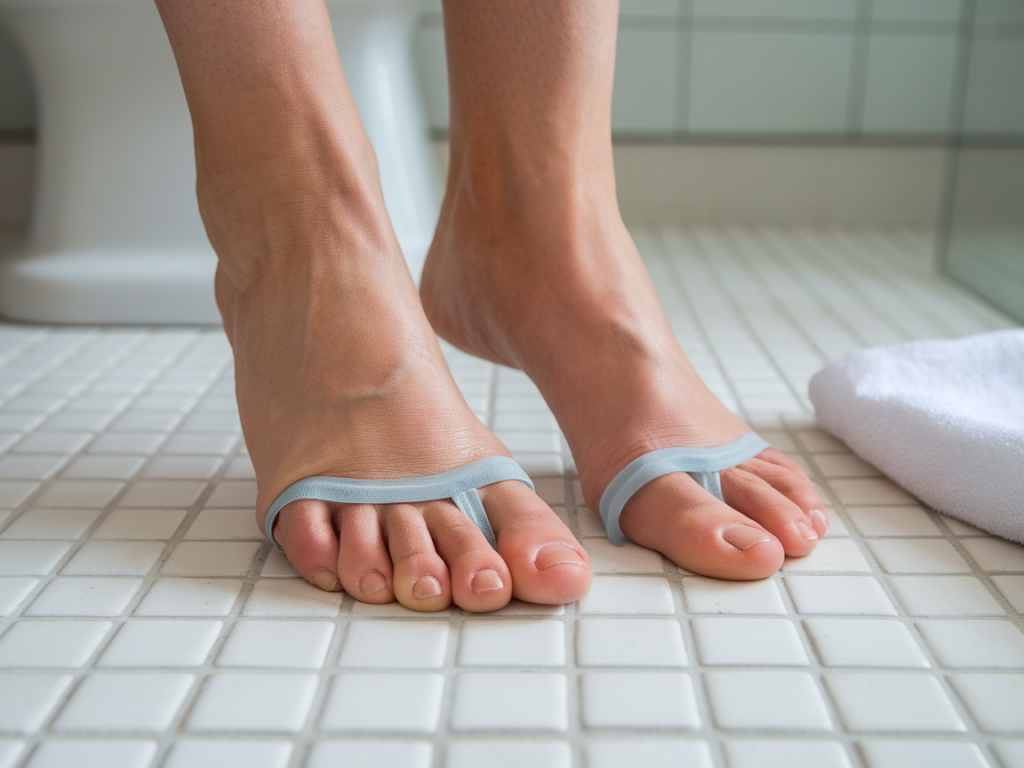
Why I bring up toe separators after bunion surgery
After working with clients and reading through postoperative protocols, I often get asked whether toe separators — also called toe spacers or toe spreaders — are useful after bunion (hallux valgus) surgery. My short answer is: they can be helpful, but timing, type, and how you use them matter a lot. In this piece I’ll walk you through the evidence-informed reasons people try them, practical tips for choosing and using them safely, and red flags that mean you should stop and consult your surgeon or physiotherapist.
What toe separators do — and what they don’t
Toe separators are small devices placed between toes to encourage gentle alignment and spacing. They can be made of silicone, gel, foam, fabric, or even rigid materials depending on the design. After bunion surgery the goals are typically to:
- Protect the surgical repair while soft tissues heal
- Reduce friction between toes and between toes and footwear
- Encourage gradual realignment and prevent recurrence in the long term
- Improve comfort during walking or rehabilitation exercises
However, they are not a magic fix. Separators don’t instantly “straighten” bones — surgical correction and subsequent controlled loading are what determine long-term alignment. Separators are adjuncts: supportive tools that may help with comfort, scar management, or maintaining soft-tissue spacing during recovery.
When to consider toe separators during recovery
Timing depends on the type of surgery you had and your surgeon’s protocol. Many surgeons recommend a period of strict protection immediately after surgery (often in a postoperative shoe, boot, or dressing). I generally recommend discussing separators with your surgical team before trying them. Typical phases where separators may be appropriate:
- After the initial immobilization phase: Once dressings and sutures have been managed and the surgeon clears you for gentle activity, lightweight silicone spacers may be introduced.
- During the gradual return to footwear: When you start wearing wider or supportive shoes, separators can reduce toe rubbing and promote comfort.
- Long-term maintenance: Months after surgery, some people use separators during specific activities (e.g., yoga, pilates, or barefoot strengthening) to encourage toe mobility.
How to choose a safe separator
Not all separators are created equal. Here are practical selection criteria I use with clients:
- Material: Choose soft medical-grade silicone or gel for early rehab. Foam or fabric options can be fine later. Avoid hard plastics early on — they can press on healing structures.
- Thickness and size: Start with a slim profile that creates gentle spacing without forcing alignment. Your toes should feel rested, not stretched. Many brands offer small/medium/large options.
- Design: Simple inter-toe spacers are common. Toe socks or separators with straps can be useful if you need them to stay in place while walking. For severe deformity, consult a specialist — custom orthotics or splints may be better.
- Hygiene: Choose washable materials. Postoperative feet can be sensitive and infection risk is a concern; clean separators regularly.
Using separators safely — practical steps
Here’s a step-by-step approach that I often recommend and that many clinicians find sensible:
- Check with your surgeon first: Confirm it’s okay to place anything between your toes at your stage of recovery.
- Pick the right time of day: Start wearing separators while seated and relaxed — perhaps during short periods at home. Avoid wearing them overnight unless specifically advised.
- Short, frequent sessions: Begin with 10–20 minutes once or twice daily and increase gradually based on comfort. The goal is gentle spacing, not pain.
- Wear supportive shoes: When walking, use roomy shoes with a wide toe box. Avoid tight footwear that compresses the toes around the spacer.
- Combine with toe mobility drills: Gentle toe curls, marble pickups, and towel scrunches can complement separators by rebuilding strength and control.
- Monitor the skin: Stop use if you notice redness that doesn’t resolve, skin breakdown, or increased pain.
Recommended products and alternatives
I often get asked for brand suggestions. A few commonly used items (which you can discuss with your clinician) include:
- Genius Gel Toe Separators — soft silicone options that are easy to wash.
- YogaToes — larger gel socks that spread all toes; better for later-stage maintenance and gentle stretching.
- Dr. Frederick’s toe spacers or foam bunion shields — for cushioning and reducing friction.
If separators feel too invasive, alternatives include wide toe-box shoes (e.g., Altra, Vivobarefoot, or certain Hoka models with roomy forefeet), custom orthotics to control foot mechanics, or toe socks that simply keep toes aligned without direct spacing pressure.
Exercises to pair with separators
Separators work best alongside targeted rehab. Here are gentle exercises to try — always within your comfort level and cleared by your therapist:
- Toe taps: While seated, lift and lower each toe independently to improve neuromuscular control.
- Marble pickups: Use toes to pick up small objects and place them in a container to restore dexterity.
- Towel scrunches: Place a towel on the floor and scrunch it toward you using your toes.
- Short foot exercise: Try to pull the ball of the foot toward the heel without curling toes — builds arch and intrinsic strength.
When separators are not appropriate
There are times when separators can be harmful or unhelpful:
- Active infection, open wounds, or non-healed incisions — anything that risks contamination or pressure sores.
- Severe pain, numbness, or circulatory issues — any sign of compromised tissue perfusion.
- Early postoperative immobilization period when the surgical site must remain undisturbed.
- When forced alignment causes sharp or radiating pain — that’s a cue to stop and seek professional advice.
Cleaning, replacement, and practical care
Hygiene is key. Clean silicone or gel separators after each use with mild soap and water, and let them air dry. Replace foam or fabric options frequently if they lose shape or become soiled. If you notice any persistent skin irritation where the device contacts your foot, stop using it and check with a clinician.
Signals to check in with your surgical team or physio
If you experience any of the following after introducing a separator, pause use and contact your provider:
- Increasing pain at the surgical site
- New or spreading redness, swelling, or discharge
- Numbness or tingling that wasn’t present before
- Worsening ability to walk or bear weight
Toe separators can be a gentle, noninvasive adjunct for comfort and maintenance when used thoughtfully. The best results come from using them as part of a broader rehab plan — combining appropriate footwear, progressive loading, mobility and strengthening exercises, and close follow-up with your surgical and rehabilitation team.