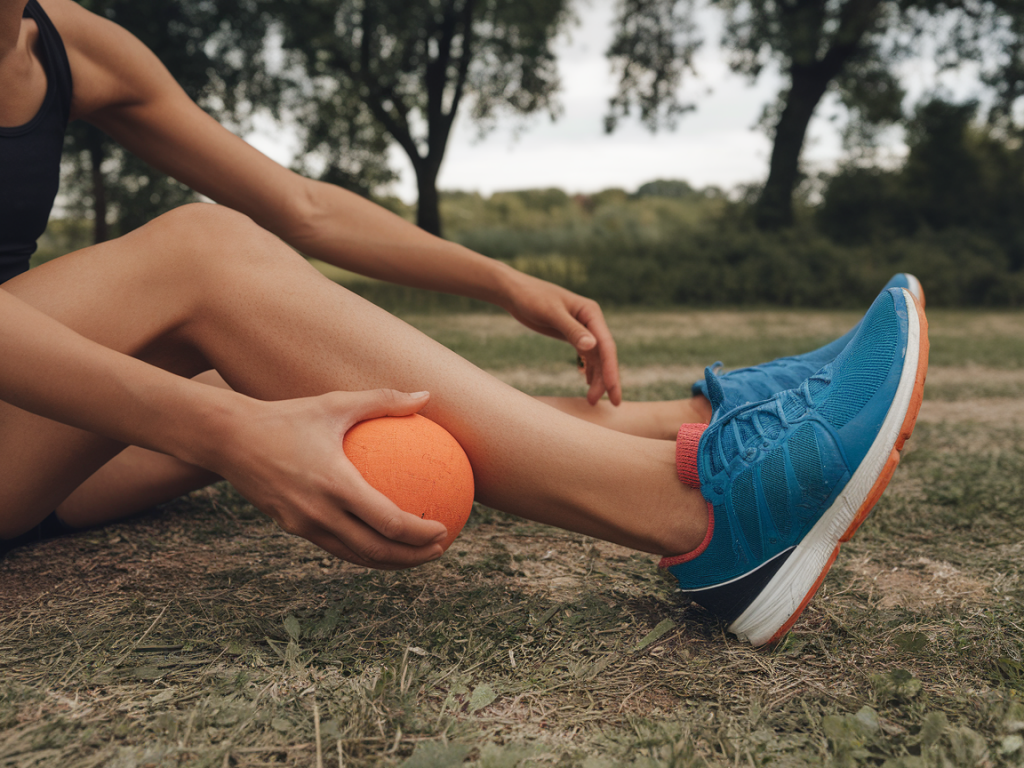
After a run, my feet often feel like they’ve carried the entire day’s worth of movement—and sometimes a little resentment. Over the years I’ve learned that spending 10 focused minutes on post-run foot recovery can dramatically reduce soreness, improve mobility, and make the next run feel easier. I use a lacrosse ball and a handful of simple mobility drills that require no special skills and very little space. Below I share the exact short routine I use, why each element matters, and a few practical tips to customise it for your needs.
Why a focused 10-minute routine?
Feet are complex structures with muscles, fascia, nerves, and small joints that all respond to load. A quick recovery routine helps:
- Release tension: targeted pressure reduces tightness in the plantar fascia and surrounding muscles.
- Restore mobility: simple ankle and toe drills maintain joint range of motion that running can temporarily limit.
- Promote circulation: gentle movement and rolling support blood flow to tissues that need repair.
- Prevent small problems from growing: consistent short sessions often beat sporadic long interventions.
Equipment I use (and affordable alternatives)
You only need a lacrosse ball and a soft surface like a yoga mat or carpet. I prefer a standard 70–75mm lacrosse ball (available from Decathlon, Amazon, or sporting goods stores). If the ball feels too intense, a tennis ball or a softer massage ball works well. For extra comfort, I sometimes use a rolled towel underneath my calf to moderate pressure.
Quick timing table
| Step | Duration | Purpose |
|---|---|---|
| Plantar rolling with lacrosse ball | 2–3 minutes per foot | Release plantar fascia and intrinsic foot muscles |
| Toe mobilisations | 1 minute | Improve toe extension and windlass mechanism |
| Ankle dorsiflexion stretch + active ankle circles | 2 minutes | Restore ankle range and calf mobility |
| Short foot/arch lifts | 1–2 minutes | Re-educate intrinsic foot strength |
| Calf foam or ball release (optional) | 1–2 minutes per side | Reduce calf tightness that affects foot mechanics |
Step-by-step 10-minute routine
Find a comfortable spot to sit on the floor or a low chair where you can reach your feet. Keep breathing relaxed and avoid forcing any movement—this is about gentle restoration, not pain chasing.
Plantar rolling with a lacrosse ball
Sit and place the lacrosse ball under the arch of one foot. I start near the heel and roll slowly forward toward the ball of the foot, pausing on tender spots for 10–20 seconds. Apply enough pressure to feel the tissue release, but stop if you experience sharp or radiating pain. Two to three minutes per foot is usually enough.
- Tip: If you feel sharp pain under the heel, shift slightly toward the mid-arch and reduce pressure. Acute plantar fasciitis flare-ups may prefer a tennis ball or a softer ball initially.
- Variation: Stand and roll the ball under the foot while supporting your weight on a wall or chair. This increases intensity—use it on days when the feet feel especially stiff.
Toe mobilisations
After rolling, I work the toes to encourage toe extension (dorsiflexion) and mobility of the metatarsophalangeal joints. While seated, grab each toe with the opposite hand and gently lift/extend it toward the shin—hold for 3–5 seconds and repeat 5 times per toe. Then wiggle all toes and try to spread them apart actively.
- Tip: If you can’t reach all your toes, try using a towel looped around the toes to assist.
Ankle dorsiflexion stretch and active ankle circles
Next, I address the ankle because dorsiflexion limits often change how the foot loads. Kneel with one foot forward (half-kneeling) and gently press the front knee over the toes while keeping the heel on the ground—hold for 20–30 seconds and repeat twice. Follow this with slow active ankle circles (10 each direction) and ankle pumps (10–15 reps) to restore dynamic range.
- Tip: If your knee can’t safely come forward, perform the stretch with the foot against a wall. Move your knee forward toward the wall while keeping the heel down.
Short foot (arch lifts)
Short foot is a simple but powerful exercise to retrain the intrinsic muscles of the foot. While seated or standing, try to shorten your foot by drawing the base of your toes toward your heel without curling the toes—imagine pulling an arch up. Hold for 5 seconds and repeat 10–15 times per foot. If standing, perform 2–3 sets of 8–10 reps as a progression.
- Tip: Keep the toes relaxed—avoid gripping the floor. The goal is a lift through the arch, not toe flexion.
Optional calf release
If my calves are tight after the run, I spend an extra minute or two rolling a lacrosse ball or foam roller over the lower calf and Achilles region. Tight calves can pull on the heel and increase plantar load, so a quick release helps balance the whole posterior chain. Use light-to-moderate pressure and move slowly over tender spots.
When to scale intensity up or down
I tailor the routine based on how the feet feel:
- Sore or inflamed (recent pain): use a softer ball and reduce pressure. Focus more on gentle mobility than deep tissue work.
- Stiff but not painful: use the standard lacrosse ball pressure and add standing progressions for short foot and balance work.
- Long-standing issues (chronic plantar fasciopathy, nerve symptoms): check in with a clinician before increasing intensity. The routine still helps, but technique and graded load are crucial.
Practical tips and common questions
Here are a few questions I get often and the short answers I give:
- How often should I do this? After every run is ideal, but 3–4 times per week still delivers meaningful benefits.
- Will rolling make plantar fasciitis worse? When done gently—especially with a softer ball—it can be helpful. If you have acute sharp pain, consult a professional first.
- How long before I feel improvement? Some people notice immediate relief; for structural or chronic issues it may take several weeks of consistent short sessions.
- Should I do this before runs? I prefer to save the ball work for post-run relaxation. Before runs, quick mobility and activation without deep release works better to prime the muscles.
Small habits that compound
This 10-minute routine is most effective when it’s consistent and paired with sensible footwear and movement habits. I recommend rotating cushioned shoes with more minimal models gradually, wearing supportive shoes for long periods of standing, and incorporating daily barefoot time on soft surfaces to encourage natural foot function. Brands I’ve found helpful for recovery are Superfeet or Dr. Scholl’s for insoles when extra support is needed, and simple lacrosse balls from Amazon or local sports stores for rolling.
If you try this routine, start gently, notice how your feet respond, and adjust pressure or duration as needed. Over time those short, intentional minutes become one of the best ways to protect your feet and keep running enjoyable.