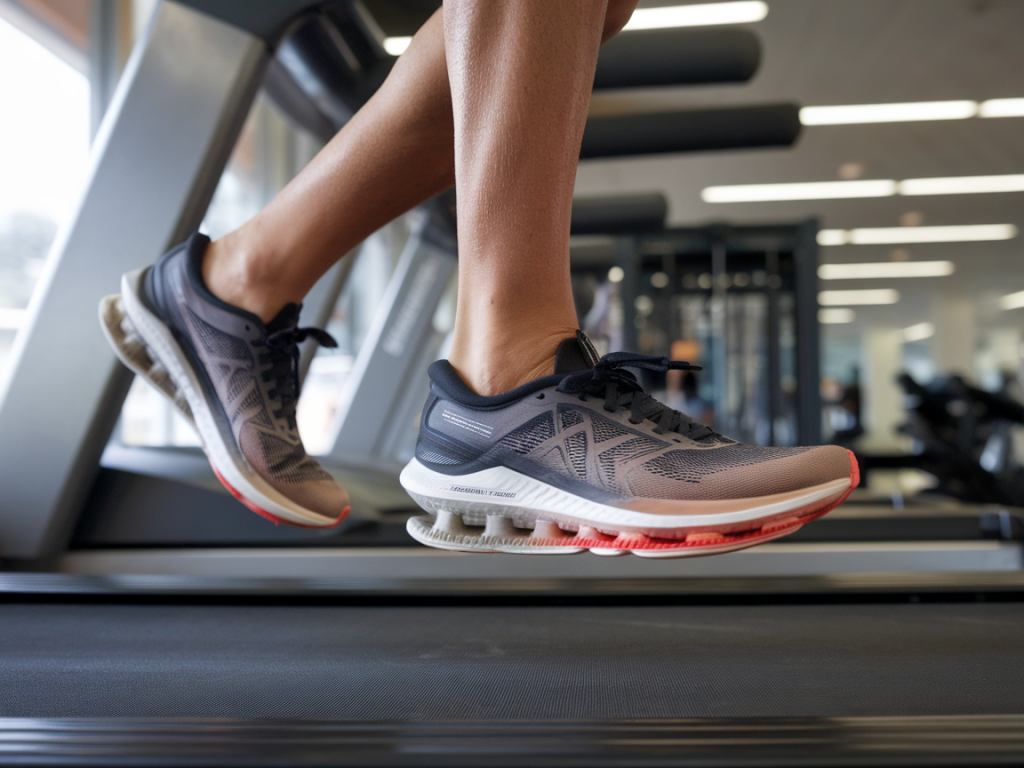
Why metatarsal stress matters — and what shoes can realistically change
Metatarsal stress shows up for runners as forefoot pain, bruising, numbness between toes, or that nagging ache under the ball of the foot after a few miles. I’ve worked with runners who assumed a flashy new shoe would fix everything — but the reality is more nuanced. Footwear can certainly reduce load on the metatarsals, but only if the features address the right mechanical drivers: excessive forefoot pressure, limited toe dorsiflexion, and poor shock attenuation. In this article I’ll walk you through the features that actually make a difference, why they work, and a practical checklist you can use while shopping or evaluating your current shoes.
The biomechanics in one sentence
During stance and push-off the forefoot bears a lot of load; anything that decreases peak pressure under the metatarsal heads or spreads that load across a larger area will tend to reduce metatarsal stress. Shoes can modify pressure distribution, stiffness during toe-off, and how much the toes have to dorsiflex — all relevant to metatarsal comfort.
Shoe features that reduce metatarsal stress — what to look for and why
Below are the features I prioritize when recommending shoes to runners concerned about metatarsal pain. For each feature I explain the mechanism and what to check in real life.
- Wider forefoot/roomy toe box: A wider, deeper toe box reduces compressive load and allows toes to splay slightly. If your toes are cramped, pressure concentrates on metatarsal heads. When trying shoes, make sure you can wiggle your toes and that the widest part of the shoe aligns with the widest part of your foot.
- Moderate stack height with effective cushioning: Cushioning under the forefoot lowers peak plantar pressures. Look for midsole materials that resist compression under load (e.g., PEBA-based foams, TPU or dense EVA). A higher stack alone isn’t enough — it needs to provide sustained shock attenuation.
- Forefoot rocker or roll-off: A gentle rocker or pronounced forefoot geometry reduces the amount of dorsiflexion required at the metatarsophalangeal joints during toe-off, decreasing bending moment at the metatarsal heads. Shoes like HOKA Clifton (gentle rocker) or models with carbon plates create smoother roll-off.
- Stiffness control (or targeted flexibility): Too much midfoot/forefoot stiffness can increase local pressure; too little can increase muscular demand. A shoe with a well-designed flex point near the metatarsal heads, or a plate that controls bending while allowing distal compliance, often works well. Carbon plates that extend too far forward can increase metatarsal load for some runners — test them before committing.
- Insole and metatarsal pad options: A removable insole that can be swapped for a custom or orthotic with a metatarsal pad is a practical solution. A properly placed metatarsal pad redistributes pressure proximally and medially across the forefoot.
- Upper materials that secure but don’t compress: Supportive uppers that hold the midfoot in place reduce unwanted sliding and shear without clamping the forefoot. Look for engineered mesh or knit that provides structure in the midfoot and forefoot volume where needed.
- Heel-to-toe drop: A moderate drop (6–10 mm) tends to be forgiving for most runners; extremely low-drop shoes can increase forefoot load if your gait shifts forward. Drop alone isn’t decisive — combine it with stack height and rocker features when evaluating.
How to test these features in the store or at home
Try this quick practical checklist while trying shoes (or after you’ve ordered some to test on runs):
| Check | What to look for |
| Toe wiggle | You should be able to move toes freely; no pinching over the metatarsal heads. |
| Forefoot width | Measure whether the widest part of the shoe matches your foot; different brands vary significantly. |
| Flex point | Bend the shoe: the flex should be just behind the toes or at the ball, not too stiff or too floppy. |
| Rocker feel | Walk/run briefly: a smooth roll-off feels like less strain at the ball of the foot. |
| Cushion rebound | Press the forefoot midsole with your thumb; it should compress and recover without bottoming out quickly. |
| Insole swap | Remove the insole: is there room for an orthotic or metatarsal pad? Can you replace with a softer insole if needed? |
Orthotics and pads — when to use them and how to choose
I often recommend trying a removable insole with a metatarsal pad before moving to custom orthotics. Over-the-counter metatarsal pads can reduce peak pressure under the heads by offloading and slightly elevating the transverse arch. Look for pads that are thin but firm and place them just proximal to the metatarsal heads.
If pain persists or you have structural foot differences (e.g., long second toe, prominent metatarsal head, neuroma history), a custom orthotic that redistributes pressure and supports the transverse arch may be more effective. Work with a podiatrist or trained clinician to ensure the pad is placed correctly; incorrect placement can worsen symptoms.
Brands and models I’ve found helpful (examples, not endorsements)
I test a lot of shoes. A few that frequently offer the combination of forefoot volume, cushioning, and smooth roll-off include:
- HOKA Clifton and Bondi — generous cushioning and gentle rocker
- Brooks Glycerin or Ghost — roomy forefoot and reliable EVA cushioning
- Altra Torin (for naturally wide toe boxes) — wide forefoot and zero-drop (use cautiously)
- Saucony Endorphin Shift — rocker geometry with plush forefoot feel
Remember: fit matters more than brand. The same model may feel different across foot shapes, and newer versions of a model can change geometry and materials.
Training and shoe-use strategies to protect your metatarsals
- Rotate shoes: Use at least two pairs alternately so cushioning recovers between sessions.
- Ease into new shoes: Don’t switch to a very different geometry (e.g., minimal to maximal) overnight — allow adaptation over several runs.
- Adjust training load: Reduce intensity or mileage when testing a new shoe if you’re prone to forefoot pain.
- Combine with foot strengthening: Intrinsic foot strengthening and calf flexibility reduce compensatory mechanics that increase forefoot load.
When footwear isn’t enough — red flags to see a clinician
If you have persistent sharp pain, swelling, bruising, or difficulty bearing weight, get assessed. Stress fractures, neuromas, and bursitis are conditions where footwear helps but medical evaluation and possibly imaging are necessary. Early diagnosis prevents longer time off running.
When I coach runners with metatarsal pain, the most common reset is simple: more forefoot space, a shock-absorbing midsole that doesn’t bottom out, a gentle rocker, and an insole tweak. Use the checklist above when trying shoes and pair footwear changes with sensible training adjustments. Your feet will thank you for small, evidence-informed steps rather than dramatic overnight changes.