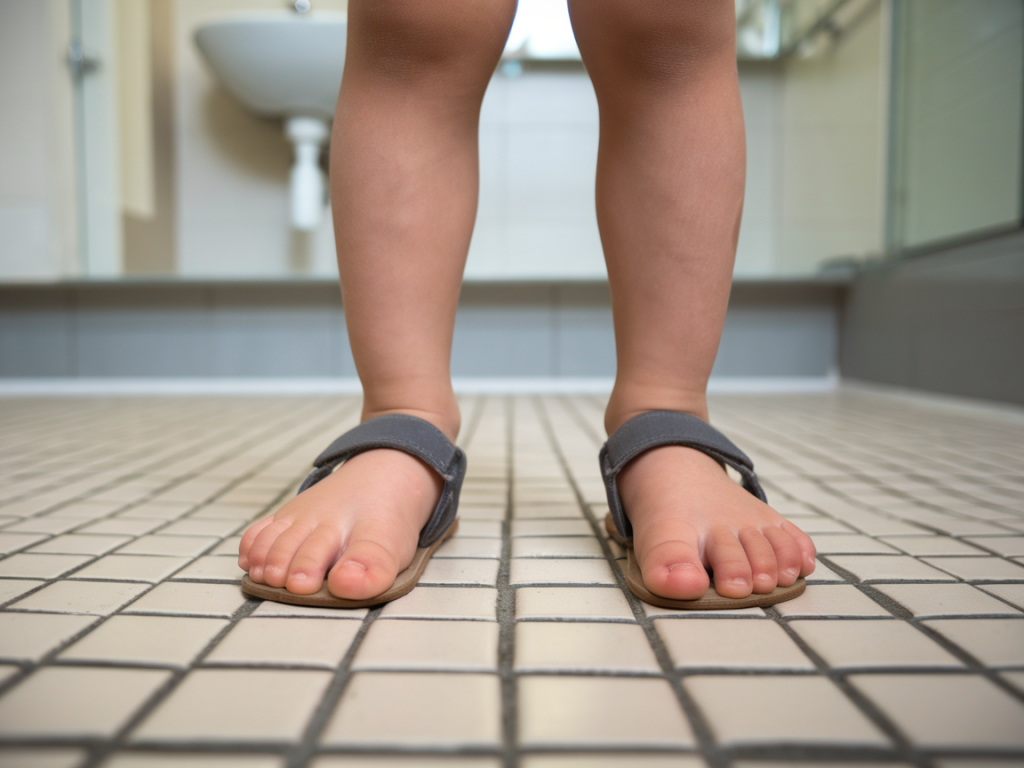
Flat feet in children are a frequent concern I hear about from parents—understandably so. Feet are the foundation of movement, and when they don't look or behave "typical," it can spark worry. Over the years I’ve learned to separate what needs action from what’s normal variation. In this piece I’ll walk you through how to spot potentially problematic flat feet in kids, practical first steps you can take at home, simple tests you can try, and when to seek professional help. My aim is to keep things clear, calm and useful.
What do we mean by “flat feet”?
When people say flat feet they usually mean the arch of the foot is low or absent when standing. In children, especially under about 6 years old, a low arch is common because the tissues and bones are still developing and there’s often a bit of baby fat in the sole that hides the arch. This is called a flexible flat foot and it’s usually not a problem.
What we worry about are the signs that suggest the flatness is causing trouble or is due to a structural issue rather than normal development. Those are the things I’ll focus on here.
Signs that flat feet may be problematic
Look beyond just the appearance. I find this checklist helps parents figure out whether the flat feet are likely to be benign or worth further evaluation:
Pain — Your child complains of foot, ankle, knee, or even hip pain after activity or by the end of the day.Poor endurance — They tire quickly during play compared with peers.Frequent rolling of the ankle — They sprain easily or their ankles look unstable.Gait changes — You notice limping, inward turning of the feet (pronation), or walking on the inner edges of shoes.Uneven shoe wear — Shoes wear more on the inner side or heel unusually fast.Asymmetry — One foot looks very different from the other in position or stiffness.Limited movement — Reduced ability to stand on tiptoes or difficulty balancing on one foot.Rapid worsening — Flattening is getting noticeably worse over a short period or after an injury.If several of these are present, that increases the chance the flat feet are affecting function and comfort.
Quick, simple tests you can do at home
These informal checks give useful information before you head to a clinician.
The wet footprint test: Wet the child’s foot, have them stand on a surface that shows a print (cardboard or paper). A full footprint that lacks a narrow waist suggests low arch. This is only a rough screen—many healthy children will show a wide footprint.Tiptoe test (single or double): Ask your child to stand on tiptoes. Watch the arch: if the arch appears when on tiptoes, the flatness is likely flexible. If the foot stays flat and rigid, that suggests a more structural issue.Heel raise test: Can they do a single-leg heel raise? For young kids, a double-leg heel raise is fine. Difficulty or inability to rise on toes can indicate weakness, tightness (often Achilles), or structural problems.Observe standing alignment: Look from behind: do the heels tilt inward (valgus)? Mark the midpoint of the heel and see if the Achilles tendon runs straight down. A marked inward tilt can indicate problematic pronation.Balance test: Have them stand on one foot for 5–10 seconds. Poor single-leg balance beyond developmental expectations can be a sign of reduced foot control.Immediate first steps you can try at home
If your child isn’t in pain and shows flexible flat feet, try these practical strategies before seeking specialist care. Small, consistent changes often improve comfort and function.
Choose sensible shoes: Supportive, stable footwear helps. Look for a firm heel counter, moderate arch support and a wide toe box. Brands I recommend to parents include New Balance (for stability) and Clarks (for daily school shoes) — but fit matters more than brand. Avoid excessively flexible, flat-soled shoes for long periods.Encourage barefoot play on varied surfaces: Supervised barefoot time on grass, sand or soft uneven surfaces promotes intrinsic foot muscle strength and proprioception. Short, regular sessions are helpful.Strengthening games: Make exercises fun: “toe grabs” (pick up marbles with toes), towel scrunches, heel raises to music, or balancing on one foot while catching a ball. Ten minutes a day can make a difference.Stretch tight calves: Many children with flat feet have tight gastrocnemius or soleus muscles. Gentle calf stretches (standing calf stretch, knee-bent calf stretch) held for 20–30 seconds, 2–3 times each side, can improve ankle mobility.Improve movement skills: Activities that build coordination—hopscotch, skipping, balance beam—support integrated foot function.Footwear rotation: Avoid letting your child wear one pair of shoes to exhaustion. Rotate two pairs so the cushioning and shape don’t collapse as quickly.When to see a professional
Seek assessment if any of the following apply:
Persistent or worsening pain related to the feet, ankles, knees, or hips.Marked asymmetry between feet or a rigid, non-flexible flat foot on tiptoe test.Significant functional limitations—trouble keeping up at school PE, frequent sprains, or abnormal walking patterns.Foot shape changes after injury or if you’re worried about developmental concerns (e.g., clubfoot history, neuromuscular condition).Start with your GP or pediatrician who can refer to a pediatric physiotherapist, podiatrist or orthopedic specialist. A pediatric physiotherapist can assess movement and prescribe exercises, while a podiatrist may recommend orthotics or footwear solutions. In rare cases where structural concerns are suspected, imaging or orthopedic review might be needed.
What professionals commonly offer
Understanding typical interventions helps you prepare and ask the right questions.
Advice and exercises: Most often clinicians will prescribe targeted strengthening, stretching and gait retraining. These are low-risk and effective when done consistently.Foot orthoses: For children with painful flat feet or significant functional issues, prefabricated or custom orthotics can support alignment and reduce symptoms. Brands like Superfeet and Formthotics provide premade options; custom devices may be suggested if there’s a specific structural need.Footwear recommendations: Clinicians often suggest shoes with firm heel counters and good midfoot support, occasionally recommending stability shoes for daily wear.Further assessment: If conservative measures don’t help, imaging or orthopedic input may be recommended. Surgical intervention is very uncommon and reserved for persistent, severe structural problems.How to track progress
Keep it simple and encouraging. Note pain levels, how many minutes of play before fatigue, shoe wear patterns, and any change in ability to do tiptoe or single-leg balance. Take photos of the back of the feet in stance every few months to document alignment. Small improvements can be meaningful—reduced complaints during play or better endurance are great signs.
Flat feet in children often turn out to be a normal part of development. My approach is pragmatic: unless there’s pain, functional trouble, or clear asymmetry, start with sensible shoes, playful strengthening, and stretching. If something doesn’t improve or you see worrying signs, get a professional assessment. Feet are adaptable, and early, gentle steps often set children up for comfortable movement as they grow.