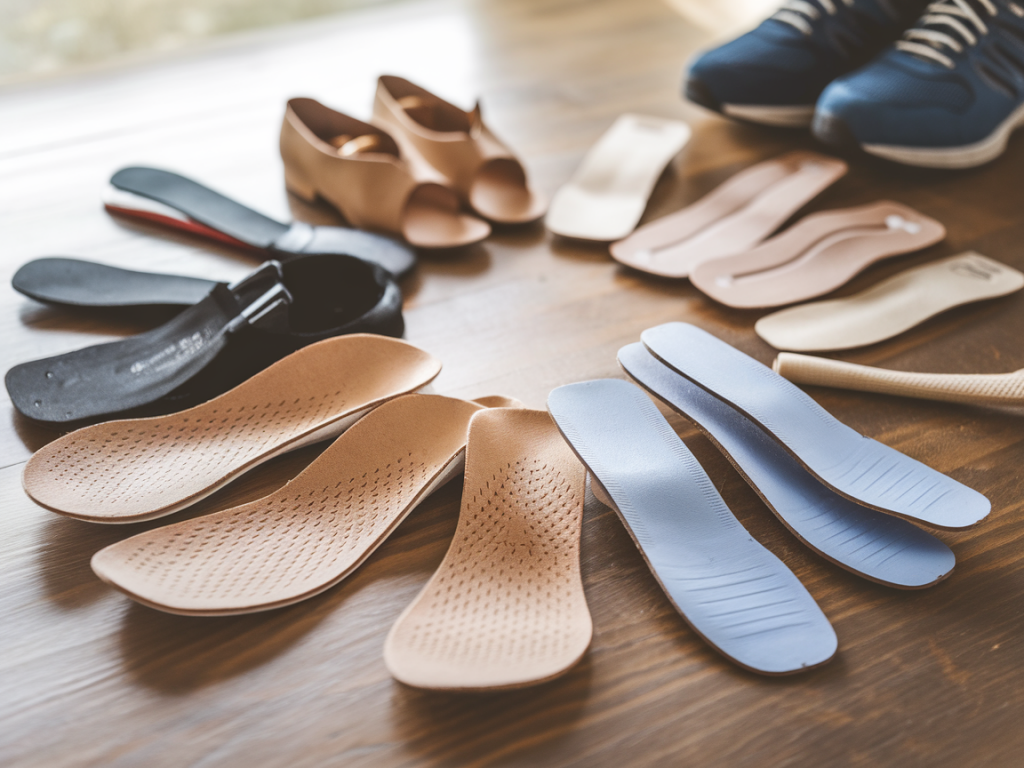
I’ve helped many people with foot pain and puzzling discomfort over the years, and one question I hear a lot is: “Can an over-the-counter (OTC) orthotic help my high arches?” The short answer is yes — but only if you choose the right one for your foot shape, activity level, and symptoms. In this article I’ll walk you through practical steps to pick an OTC orthotic that supports high arches comfortably and effectively, without overwhelming you with jargon.
Why high arches need special support
High arches (pes cavus) change the way your foot distributes force. Instead of a broad, even contact with the ground, weight tends to concentrate on the heel and the ball of the foot. That can lead to:
Plantar pain under the ball of the foot (metatarsalgia)Heel pain and increased risk of stress fracturesInstability at the ankle and lateral (outside) rollingTight calves and reduced shock absorptionGood arch support helps redistribute pressure across the foot, improve alignment, and reduce excessive loading of certain areas. But the wrong insole can feel uncomfortable or even worsen symptoms, so fit and design matter.
Key features to look for in an OTC orthotic for high arches
When I recommend products, I focus on these practical features. Keep them in mind when you’re in the store or browsing online.
Arch shape and height: Look for an insole with a defined, but not excessively high, arch support. A too-large arch can create pressure points; a too-flat insole won’t redistribute load. You want a supportive dome that follows your midfoot.Rearfoot stability: A slightly cupped heel helps stabilize the calcaneus (heel bone) and control excessive supination/appreciable lateral roll. This is useful for high arches.Firm medial support, softer forefoot: A firmer material under the arch and heel with a softer forefoot pad can cushion the ball of the foot and improve comfort during walking.Trim-to-fit design: Many OTC orthotics are available in trim-to-fit sizes so you can match them to your shoe. This is useful if you have narrow or low-volume shoes.Material balance: EVA foam, dual-density polyurethane, or thermoplastic supports are common. EVA gives cushioning but can compress over time; firmer polyurethane or supportive thermoplastics maintain shape better for higher arches.Low profile: High-arched feet sometimes need more depth in the shoe. Choose a low-profile orthotic if your shoes are already snug, or consider footwear with removable insoles to create room.How to assess fit and comfort at home
Before buying, try these simple checks at home — they’ll save you from a lot of trial and error.
Foot tracing test: Wet your foot and stand on cardboard or a paper towel; trace the outline. If you see a narrow midfoot with little contact, you likely have high arches and need clear midfoot support.In-shoe test: Put the orthotic in your shoe and walk 10–15 minutes on different surfaces. Pay attention to pressure points — any sharp discomfort under the arch means the contour is too aggressive.Compare sides: Try the orthotic in one shoe and not the other for a day. Subtle changes in posture, ankle position, and comfort are easier to notice with direct comparison.Longer wear test: If the orthotic feels okay initially, increase wear time gradually over a week to let your feet adapt. Stop if pain becomes sharp or persistent.Brands and product types I commonly suggest
There’s a wide range of OTC options, and some brands consistently make models suitable for high arches. These are not endorsements of specific models over custom orthotics, but they’re useful starting points:
Superfeet: Models like the Green or Black have firm arch support and a deep heel cup — good for medium-to-high arches and for people who need durability.Powerstep: Known for dual-density cushioning and a supportive arch post; often recommended for both plantar pain and moderate supination control.Sof Sole: Offers softer, more cushioned insoles; common in athletic shoes where shock absorption is prioritized.Dr. Scholl’s: Accessible and affordable; some specific high-arch models can work well for mild support needs or as a first try.When an OTC orthotic isn’t enough
Most OTC orthotics help with mild-to-moderate symptoms, but there are situations where a custom orthotic or professional evaluation is smarter:
Severe or progressive foot pain that doesn’t improve with OTC insoles.Structural issues like significant limb length discrepancy, severe cavus deformity, or neurologic conditions.Persistent ankle instability or frequent sprains.If you need orthotics for sport-specific demands (e.g., elite running) where small changes in biomechanics matter.In these cases I suggest seeing a podiatrist or physiotherapist who can perform a gait analysis and, if necessary, prescribe custom orthotics tailored to your foot contours and activities.
Practical tips for combining orthotics with footwear and daily habits
For many people the orthotic is only part of the solution. Here’s what I recommend pairing with an OTC insole:
Choose shoes with removable insoles: This creates space for your orthotic, especially in narrower models.Prioritize stability: A shoe with a stable heel counter and moderate midsole firmness supports controlled motion for high arches.Stretch and strengthen: Tight calves and weak intrinsic foot muscles are common with high arches. Add calf stretches, toe curls, towel scrunches, and short-foot exercises to your routine.Rotate footwear: Don’t wear the same pair every day. Different shoes distribute pressure slightly differently and reduce repetitive strain.Replace orthotics when compressed: Many foam-based OTC insoles compress with time. If comfort or support decreases, replace them — typically every 6–12 months depending on use.Quick comparison table: common OTC orthotic features
| Feature | Best for | Typical material |
| Firm arch & deep heel cup | High arches needing stability | Polyurethane, thermoplastic |
| Cushioned, low-profile | Comfort-focused, mild support | EVA foam, gel forefoot pad |
| Trim-to-fit | Custom sizing for narrow/low-volume shoes | Various |
If you’re unsure where to start, pick a well-reviewed, medium-support OTC orthotic with a defined but comfortable arch and try it gradually. If you have ongoing pain or structural concerns, seek professional assessment — orthotics can help, but they work best as part of a broader plan that includes movement, strength, and sensible footwear choices.