I often get asked how to support tendon healing without turning to overly complicated protocols or expensive treatments. Tendons are mostly collagen — a tough, fibrous protein — so it makes sense that nutrition focused on collagen synthesis can help the body repair and strengthen those tissues. In this post I’ll share what the research and practical experience suggest about which foods and supplements support tendon repair, how to combine them with movement, and realistic ways to include them in daily life.
Why collagen matters for tendons
Tendons transmit force from muscle to bone and are primarily made of type I collagen. When a tendon is injured or chronically irritated, the body needs amino acids and cofactors to lay down new collagen and organise it into functional, load-bearing fibres. That process requires not only building blocks (amino acids) but also micronutrients and mechanical stimulus (gradual loading) to guide organised repair.
So nutrition isn’t a magic fix — progressive loading, rest management, and sometimes physical therapy are essential — but diet can supply the raw materials and co-factors that make repair more efficient.
Key nutrients and how they help
Here are the nutrients I focus on when designing a tendon-repair friendly plan. I include practical examples so you can easily try them.
Protein (total daily intake) — Tendon repair needs an adequate daily protein intake. Aim for at least 1.2–1.6 g/kg body weight per day if you’re actively rehabbing a tendon (e.g., if you weigh 70 kg, that’s roughly 84–112 g protein/day). Distribute protein across meals to support steady amino acid availability.Collagen peptides / gelatin — Collagen supplements provide collagen-specific amino acids like glycine, proline and hydroxyproline. Small clinical studies suggest that taking 5–15 g of collagen peptides or ~15 g gelatin, about 30–60 minutes before a loading session, can increase circulating collagen-building peptides and might enhance tendon repair when combined with exercise.Vitamin C — Essential for hydroxylation of proline and lysine during collagen synthesis. Without enough vitamin C, collagen molecules form poorly. Aim for a vitamin C–rich food with your collagen (citrus, kiwi, berries, bell peppers) or ensure a 250–500 mg vitamin C dose when taking collagen if your diet is low in fruit and veg.Leucine & essential amino acids — While collagen supplies unique amino acids, complete proteins (meat, dairy, eggs, soy) provide essential amino acids including leucine, which stimulates muscle protein synthesis and supports overall tissue repair.Omega-3 fatty acids — EPA and DHA reduce excessive inflammation which can impair healing. They’re not “anti-heal” — controlled inflammation is necessary, but omega-3s help modulate chronic inflammatory states. Consider 1–2 g combined EPA/DHA daily from fish oil if your diet is low in oily fish.Zinc and copper — Trace minerals involved in collagen cross-linking and tissue repair. Most people get enough from a balanced diet; supplementation is considered if a deficiency is suspected.Vitamin D — Important for musculoskeletal health and tissue repair. Check status if you have risk factors for deficiency and supplement to maintain serum 25(OH)D in recommended ranges (usually 50–75 nmol/L or per local guidance).Collagen-building amino acids — Glycine and proline are abundant in collagen/gelatin and are specifically used in tendon matrix formation.Practical supplement options and timing
If you want to use supplements as part of a tendon rehab plan, here’s how I typically recommend structuring them:
Hydrolysed collagen peptides (5–15 g) — Take ~30–60 minutes before your tendon loading session (strengthening or eccentric exercises). This timing is based on studies showing a rise in circulating collagen peptides that may be incorporated into newly synthesised collagen during the exercise stimulus. Popular brands include Vital Proteins, Great Lakes, and Naticol; choose a product with minimal additives.Gelatin + vitamin C — If you prefer whole-food approaches, 15 g gelatin dissolved in warm water plus a squeeze of lemon or a vitamin C–rich fruit consumed 30–60 minutes pre-exercise can be effective.Daily protein spread — Aim for 20–40 g protein at meals, depending on your size and activity level. Use dairy, eggs, lean meat, legumes, or protein powders (whey, pea) to ensure consistent intake.Vitamin C (250–500 mg) — If you're not eating fruit and vegetables consistently, pairing this with collagen/gelatin is sensible. Whole-food sources are preferred when possible.Omega-3 (1–2 g EPA+DHA) — Daily, especially if fish intake is low.Remember: supplements should complement a protein-rich diet and a progressive loading program, not replace them.
Sample pre-workout collagen routine I use with clients
This is simple and portable — I often recommend it to people rehabbing Achilles or patellar tendons:
30–60 minutes before the strengthening session: Stir 15 g gelatin OR 10 g hydrolysed collagen peptide into warm water or herbal tea.Add juice or a few slices of orange/kiwi for vitamin C (or take 250 mg vitamin C capsule if needed).Complete your targeted tendon loading program (slow, controlled eccentric or heavy slow resistance exercises depending on the protocol your clinician recommended).Foods that help — easy swaps
It’s helpful to think of tendon-supporting meals rather than single nutrients.
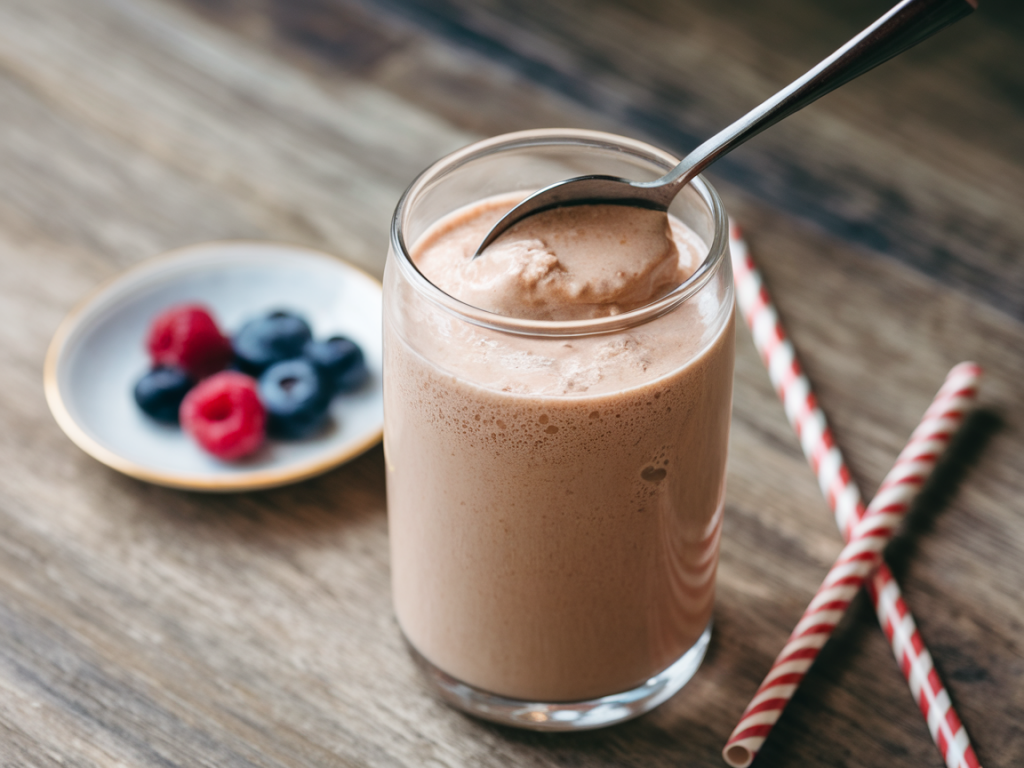
Breakfast: Greek yogurt with berries and a spoon of collagen peptides or a sprinkle of ground flaxseeds.Lunch: Grilled salmon salad with mixed greens, bell peppers, and a dressing with lemon (vitamin C + omega-3s).Snack/pre-workout: Warm gelatin drink with citrus or a small smoothie with collagen powder and kiwi.Dinner: Lean beef or lentil stew (rich in zinc and amino acids) with a side of steamed greens.Safety, interactions and who should be cautious
Collagen peptides and gelatin are generally safe for most people; however:
If you have severe food allergies, check the source (bovine, porcine, marine).High doses of vitamin C can cause gastrointestinal upset in some people; divide doses if needed.Fish oil can increase bleeding risk at very high doses; consult your clinician if you’re on anticoagulants.Trace mineral supplements like copper and zinc should not be taken long-term without checking status, as imbalances can occur.If you have chronic health conditions, are pregnant, or take multiple medications, it’s a good idea to discuss any new supplement regimen with your GP or a registered dietitian.
What the evidence actually supports
Clinical studies are still emerging. Several small trials report improved collagen synthesis markers and reductions in joint pain, and some tendon rehab studies combine collagen supplementation with an exercise program showing better outcomes than exercise alone. The effect sizes aren’t dramatic, but they’re consistent enough to consider collagen as a low-risk adjunct when paired with the right loading program.
Importantly, nutrition alone won’t fix a tendon if the rehab exercise is missing or wrong. Think of collagen as scaffolding materials — you still need a skilled builder (your loading protocol) and the right conditions (controlled inflammation, adequate sleep, balanced diet).
How I incorporate this into everyday life
Personally, I keep an unflavored collagen powder in the kitchen and a packet of gelatin in the pantry. For busy days I’ll mix collagen into a morning smoothie or brew gelatin in a warm mug with lemon before an afternoon rehab session. I also prioritise protein at each meal and try to include oily fish twice weekly. Small habits repeated daily feel manageable and add up — which is exactly the approach I advocate for foot and tendon health.
| Supplement/Food | Typical Dose | Why it helps |
| Hydrolysed collagen | 5–15 g, pre-exercise | Provides glycine/proline; supported by studies when combined with loading |
| Gelatin + vitamin C | ~15 g gelatin + 250–500 mg vit C | Similar peptide boost; vitamin C supports collagen synthesis |
| Protein-rich meals | 20–40 g/meal | Ensures essential amino acids for tissue repair |
| Omega-3 (EPA/DHA) | 1–2 g/day | Modulates inflammation; supports healing environment |
If you’d like, I can create a one-week meal plan or a printable pre-workout collagen recipe sheet tailored to your tendon rehab program. Tell me the tendon you’re working on and whether you prefer animal or plant-based options, and I’ll put something practical together.