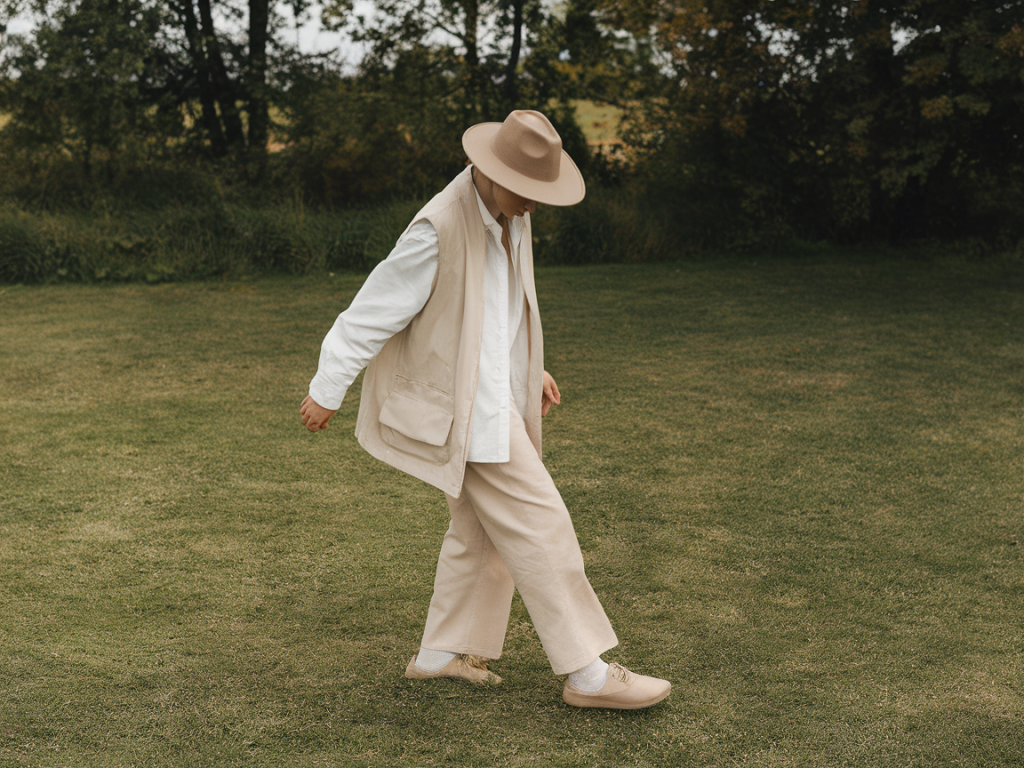
I remember the first time I tried a pair of minimalist shoes: the excitement of feeling the ground again, and the nagging calf tightness that followed a few days later. If you’re curious about minimalist footwear but worried about pain or injury, this six-week plan is the exact, practical approach I wish I’d followed from the start. It’s grounded in gradual loading, mobility work, and simple strength habits you can do at home. I wrote it to help you transition safely so you can enjoy a more natural stride without setbacks.
Why a structured six-week plan?
Switching to minimalist shoes changes how your feet, ankles and calves absorb force. Muscles and tissues need time to adapt. Too fast, and you risk overload (plantar fasciitis, Achilles irritation, tendon pain). Too slow, and you’ll feel impatient. Six weeks offers a balanced ramp-up: enough time to build tissue resilience, practice new mechanics, and learn to listen to your body.
What to expect in this plan
This plan focuses on three pillars: progressive wear time, foot and ankle strengthening, and mobility and recovery. You’ll increase minutes in minimalist shoes every few days, do short daily exercises, and include recovery practices to avoid soreness. Think of it as building a relationship with your feet—regular, consistent, and kind.
Choosing the right minimalist shoe
Not all minimalist shoes are the same. Look for these features:
- Low heel-to-toe drop (0–4 mm) to encourage a midfoot or forefoot strike.
- Wide toe box so toes can splay naturally.
- Thin but protective sole that still offers some cushioning for rough surfaces.
I’ve had good experiences with brands like Vivobarefoot, Xero Shoes, and Merrell Barefoot for varied budgets. If you have a history of foot pathology (severe plantar fasciitis, neuropathy), consult a clinician first.
How to use pain as your guide
Not all discomfort is bad—some muscle soreness is normal. Red flags that mean back off:
- Sharp, localized pain that worsens with activity.
- Persistent swelling or bruising.
- Pain that prevents normal walking or sleep.
If you get these signs, reduce wearing time by 50%, rest, and return to the prior comfortable level. You can also use short icing sessions and gentle massage for acute flare-ups. When in doubt, see a physiotherapist.
Daily routine—10–15 minutes you can do anywhere
These micro-habits speed up adaptation and keep soreness manageable. I recommend doing them once or twice daily, especially during the first three weeks.
- Toe spreads: Sit barefoot and press your toes into the floor, then lift and spread the toes. 2 sets of 10.
- Short foot doming: While seated or standing, pull the ball of the foot toward the heel without curling toes—2 sets of 10 hold 3–5 seconds.
- Single-leg balance: Stand barefoot on one foot for 30–60 seconds. Use a cushion for progression. 2 sets each side.
- Calf raises: Double-leg to start, progress to single-leg as tolerated. 2 sets of 10–15.
- Calf and soleus stretches: 30 seconds each, 2 reps per side after activity.
Six-week progressive wear schedule
Below is a practical plan for introducing minimalist shoes into your daily life. "Wear time" refers to total minutes per day in the shoes. Adjust by ±20% based on how you feel.
| Week | Wear plan (daily) | Activity guidance |
|---|---|---|
| Week 1 | 15–30 minutes | Indoor walking, light chores. Do daily foot routine. Focus on comfort. |
| Week 2 | 30–60 minutes | Short walks (5–10 min), standing tasks. Add one session of 10–15 min barefoot balance work. |
| Week 3 | 60–90 minutes | Longer walks (15–20 min) in flat, even terrain. Start including 1–2 short hills gently. |
| Week 4 | 90–120 minutes | Daily walking up to 30 minutes. Try light jogging only if no calf pain. Continue strength work. |
| Week 5 | 2–4 hours | All-day standing for short periods, errands in shoes. Introduce varied surfaces: grass, gravel. |
| Week 6 | 4+ hours, transition to most daily use | Include longer walks (45–60 min). If comfortable, integrate moderate runs or hikes gradually. |
How to progress activities
Walk first, run later. Even small amounts of running can create high loads quickly. I recommend waiting until week 4–6 and only starting with short, easy runs (5–10 minutes) and flat ground. If you feel tightness afterward, back off by a week and increase calf eccentric loading (slow lowering heel raises) before returning.
Tips for everyday comfort
- Socks matter: thin, non-bulky socks preserve ground feel. Consider no socks for short indoor sessions to improve proprioception.
- Alternate shoes: Don’t switch overnight from heavy cushioned shoes to minimalist—use them side by side during the transition weeks.
- Use insoles cautiously: A minimal arch support can help early on if you have high arches, but avoid thick cushioning that negates adaptation.
- Listen to tissue response: Morning stiffness that eases with movement is usually okay; sharp pain is not.
When to get help
If a localized pain persists beyond two weeks despite reducing time and doing the exercises, consult a podiatrist or physiotherapist. They can assess biomechanics, rule out stress reactions, and guide modifications (taping, temporary orthotics, gait cues). A short course of guided rehab can save months of frustration.
Practical examples from my clients
One client, a 45-year-old teacher, followed this plan after years in supportive running shoes. She started at 15 minutes and added 15 minutes every 3 days. By week 5 she was wearing minimalist shoes during work and doing short walks at lunchtime. She reported improved foot strength and less midfoot fatigue. Another person tried to rush: they jogged 20 minutes in week 2 and developed calf pain that took six weeks to calm down. The contrast reinforced for me that patience pays.
If you’d like, I can prepare a printable checklist version of this six-week plan or a progressive exercise sheet you can keep on your phone. Transitioning to minimalist shoes can be deeply rewarding—more sensory connection, often better foot mechanics, and a renewed appreciation for what our feet can do when we give them time and attention.