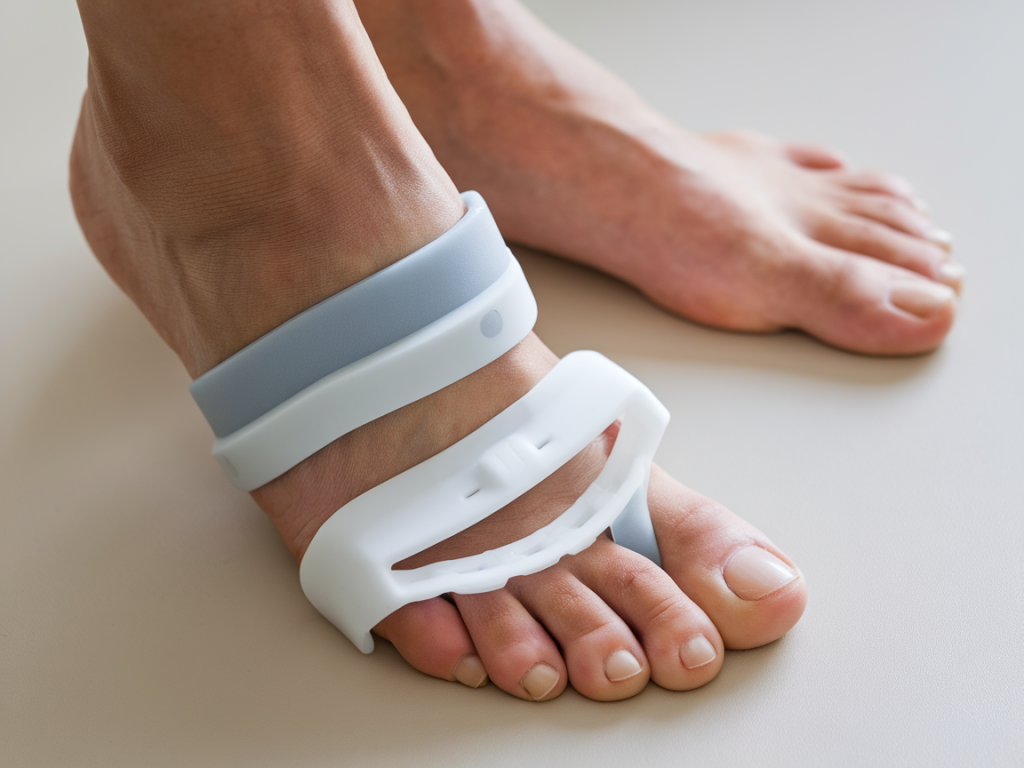
When I first started experimenting with toe spacers and silicone splints, I was looking for small, practical steps to ease bunion-related discomfort without jumping straight into surgical options. Over time I learned how to use these simple devices safely and effectively alongside gentle exercises, better footwear choices, and pacing strategies. Below I share a clear, research-informed approach to choosing, fitting, and using toe spacers and silicone splints so you can decide if they might help you—and how to get the most benefit with the least fuss.
What toe spacers and silicone splints actually do
Toe spacers and silicone splints are soft devices placed between or around the toes to improve toe alignment, reduce friction, and offload pressure from the bunion (the bony prominence at the base of the big toe). They don’t “cure” structural changes overnight, but they can:
Reduce contact and rubbing between toes and shoesProvide gentle realignment of the big toe to relieve joint pressureEncourage healthier toe spreading and improved balanceAct as a barrier to protect irritated skin or cornsThink of them as conservative tools that help manage symptoms, slow progression, and make daily movement more comfortable while you work on long-term strategies such as footwear changes and strengthening.
Types and examples
There are a few common styles you’ll see:
Intertoe spacers (gel/silicone toe separators like YogaToes or cheaper gel options) — sit between toes, keeping them gently apart.Big toe separators (also called bunion correctors or toe stretchers) — designed specifically to move the big toe away from the second toe.Splints (night splints or soft daytime splints) — wrap around or cradle the big toe to hold it straighter; examples include soft fabric and silicone splints from brands like BunionAid or Valguloc, or stiffer night splints sold by orthotic companies.Spacer sleeves — tubular silicone sleeves that go over the toes and keep the big toe slightly abducted; discreet in some shoes.I’ve used a few of these: YogaToes for short sessions to help toe spreading, and soft silicone bunion splints for low-impact daytime wear. Correct Toes is a more structured option used by people wanting ongoing toe realignment while barefoot or in wide shoes—useful but takes adaptation time.
How to choose the right product
Choose based on your goals and daily routine:
If you want gentle, short-term relief and toe mobility, try intertoe gel spacers you can wear while barefoot or in loose shoes.If you need protection from shoe friction, a sleeve or spacer that fits inside shoes will be practical.If your aim is gradual realignment and you frequently walk barefoot or in wide toe-box shoes, look into more structured toe separators like Correct Toes (note: these require a gradual adaptation period).If you experience severe pain or have arthritic changes, consult a clinician before using night splints or firmer devices—some splints can increase discomfort if not fitted correctly.How to fit and use them safely
Start slowly and build tolerance. Here’s a practical stepwise plan I use and recommend:
Inspect the device for comfort and any seams that might rub.Begin with short sessions—10–20 minutes the first day while relaxing. Increase by 10–15 minutes every few days as tolerated.Use them while seated or during low-activity tasks before trying them during walking or standing activities.If using inside shoes, select footwear with a roomy toe box and low heel to reduce pressure.Avoid forcing the big toe into a painful position—comfortable, gentle spacing is the goal.I found most benefit when wearing spacers during evening routines combined with mobility work; night splints can be helpful but I only used them intermittently because they felt too restrictive for long stretches.
Complementary exercises and habits
Spacers work best with movement that strengthens the intrinsic foot muscles and improves toe mobility. Try these simple additions:
Toe curls — pick up marbles or a small towel with your toes for 1–2 minutes per foot.Short foot — gently lift the arch by drawing the ball of the foot toward the heel without curling toes; hold 5–10 seconds, repeat 8–12 times.Big toe mobilization — sitting, use your hand to gently push and pull the big toe to increase range of motion (pain-free).Wide-toe footwear — choose shoes with a deep, wide toe box. Brands like Altra, Vivobarefoot, or certain models from New Balance often offer more room.Care, cleaning, and longevity
Most silicone or gel spacers are washable. I recommend:
Hand-washing with mild soap and water after every few uses.Air-drying completely before storing to prevent odor or material breakdown.Replacing them if they tear, lose shape, or no longer feel supportive—typically every 6–12 months depending on use.When they might not be enough (and when to see a professional)
If your bunion is very painful, inflamed, or causing functional limitations, spacers may help symptomatically but won’t replace professional assessment. See a podiatrist or orthotist if you experience:
Persistent, severe pain limiting daily activitiesRapid worsening of toe deviationSkin breakdown, recurrent ulceration, or infection near the bunionConcern about underlying arthritis or structural changesA clinician can offer custom orthoses, targeted advice, or discuss other interventions such as corticosteroid injections or—if appropriate—surgical options. They’ll also help ensure any splints or devices are the right fit for your anatomy.
Practical tips I use and recommend
Keep expectations realistic: spacers are conservative aids that can reduce discomfort and improve toe function over time, not instant fixes.Pair spacers with consistent mobility work and better shoes for the greatest effect.Use spacers as part of a routine—try them during your evening wind-down so they become a habit.Track comfort and function: note changes in pain, walking tolerance, and shoe comfort over weeks rather than days.| Common device | Best for | Notes |
|---|
| Intertoe gel spacer | Short-term mobility, barefoot use | Cheap, easy to try |
| Silicone sleeve | Protection in shoes | Discreet, good in roomy shoes |
| Soft daytime splint | Mild alignment + protection | Requires trial to find comfy fit |
| Structured toe separator (Correct Toes) | Gradual realignment, barefoot work | Needs gradual adaptation, best with wide shoes |
If you want, I can recommend specific products based on your shoe style, activity level, and bunion stage—or walk you through a brief at-home fitting routine. Small steps can make big differences when we combine sensible devices with supportive habits and movement.