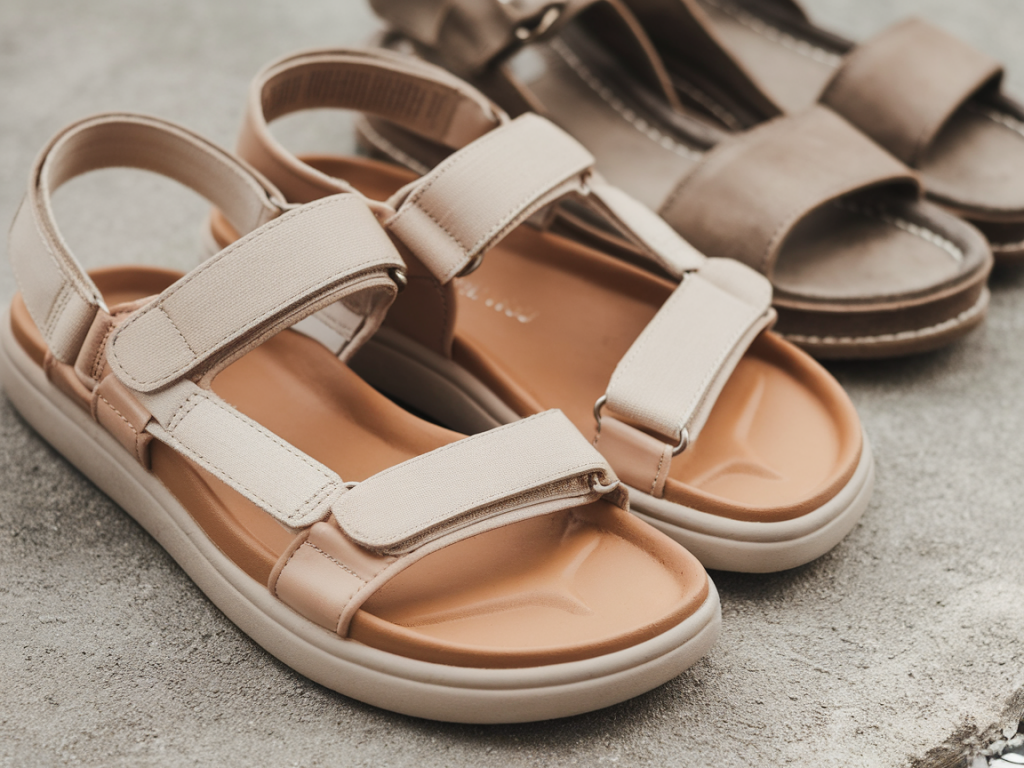
I get a lot of questions about metatarsal overload — that burning, aching pain under the ball of the foot that shows up after a long day in the wrong shoes. Sandals are tricky because many of them are glorified flip‑flops: thin, flexible, and offering little structure. But not all sandals are created equal. Some design features can meaningfully reduce pressure on the metatarsal heads and make walking and standing comfortable again. Below I explain what to look for, what to avoid, and practical buys and fixes you can try today.
What I mean by metatarsal overload
Metatarsal overload refers to excessive pressure on the metatarsal heads — the “balls” of the feet. It can feel like burning, sharp stabbing, or a dull ache and is often worse when you’re barefoot or in thin sandals. The root causes are varied (biomechanics, high-impact activity, footwear) but one theme is consistent: anything that concentrates load onto the forefoot will aggravate symptoms.
Why most everyday sandals make it worse
Many casual sandals fail in a few predictable ways:
Very thin, unstructured soles mean the forefoot takes most of the load because there’s no support to redistribute pressure.Excessively flexible soles allow the shoe to bend at the metatarsal heads, increasing local compression.Poor strap placement (or no toe-hold) leads to gripping with the toes and overloading the forefoot.Lack of arch support or heel stability lets the foot collapse slightly, shifting weight forward onto the metatarsals.Key features in sandals that actually help prevent metatarsal overload
When I shop for supportive sandals (or recommend them to others), I look for a combination of features rather than one single “magic” element. Here are the ones that matter:
Moderate midsole thickness with firmer foam: A thicker, denser midsole cushions impact but also resists collapse. EVA is common, but higher density polyurethane or molded EVA with a firmer durometer is better at redistributing pressure.Built-in metatarsal pad or slight forefoot bump: A subtle pad under the distal arch/just behind the metatarsal heads helps shift pressure slightly proximally and reduces peak loading under the metatarsals.Rocker or rounded sole profile: A gentle forefoot rocker (or multi-radius sole) encourages smooth roll-off and reduces the amount of dorsiflexion at the metatarsophalangeal joints, lowering peak forefoot pressure.Arch support and firmer medial midfoot: Supporting the arch reduces pronation and forward weight shift. It doesn’t need to be aggressive — consistent moderate support is often enough.Deep heel cup and stable rearfoot: A cupped heel stabilizes the foot and prevents excessive sliding forward inside the sandal.Stiffer forefoot/partial shank: A bit of stiffness in the forefoot (a shank or reinforced area) prevents the sandal from bending right where the metatarsal heads sit.Secure strap system: Adjustable straps that lock the heel and forefoot minimize toe gripping and help your foot stay positioned on the supportive parts of the footbed.Removable footbed / orthotic compatible: Being able to swap in a custom orthotic or an over-the-counter metatarsal pad gives you flexibility to tailor support.What to avoid
Practical things I tell people to avoid if metatarsalgia is a concern:
Ultra-thin flip‑flops and completely flat, flexible sandalsHigh‑heeled sandals or those with big heel-to-toe drops that push weight forwardExtremely soft, low‑durometer foams that compress completely under loadStyles with poor strap placement that let the foot slide forwardQuick shopping checklist
When you’re trying sandals on, use this checklist and observe how the shoe behaves when you walk:
Do my toes have to grip to keep the sandal on?Is there a noticeable bump under the distal arch / behind the ball of the foot?Does the sole flex right under my toes or a bit further forward?Is my heel held in a cup, and can the straps be tightened to prevent sliding?Can I remove the footbed to insert an orthotic or metatarsal pad?Brands and models I often recommend (and why)
I name brands because it helps people know what to look for, not because any single brand fits everyone. Try what fits your foot and needs.
Birkenstock (e.g., Arizona, Boston): molded cork footbeds with a deep heel cup, defined arch support and a slight forefoot lift. They don’t have an aggressive rocker, but they redistribute pressure well and stop sliding.Vionic sandal range: built with podiatrist-designed support and a contoured footbed. Good for people who need reliable arch support and are sensitive to forefoot pressure.Chaco: firm, supportive footbed and excellent strap security. The footbeds are firmer (less squishy), which can reduce metatarsal compression — especially in models with thicker midsoles.OluKai: often well-contoured footbeds with a comfortable heel cup and moderate cushioning; some styles include slightly rockered soles.Hoka (Ora Recovery Slide, etc.): maximal cushioning and rocker geometry mean reduced peak pressures and gentle roll-off. Great for recovery days and symptomatic people, though they don’t offer strap security like Chaco or Birkenstock.Low-cost fixes and add-ons
If you love a particular sandal but it’s too thin, you can often improve it without buying a new pair:
Insert a thin metatarsal pad or insole with a built‑in met pad (brands like Pedag, Powerstep, or Dr. Scholl’s make over-the-counter options).Add a heel cup or a firmer insole to reduce sliding and encourage a more neutral foot position.Use silicone heel grips or adhesive pads to stop forward slippage so your toes don’t have to compensate. | Feature | Benefit for metatarsal overload |
| Firm midsole | Reduces compression under metatarsal heads; redistributes load |
| Metatarsal pad | Shifts pressure proximally away from painful heads |
| Forefoot rocker | Less bending at metatarsophalangeal joints; smoother roll-off |
| Deep heel cup | Stabilizes rearfoot; reduces forward slide |
| Secure straps | Prevents toe gripping and forward migration |
How to try a sandal at home
My go-to method when testing sandals at a store or at home:
Walk at least 10 minutes on a hard surface — short laps won’t reveal how the shoe behaves over time.Check where the sandal bends. If it bends under the ball of your foot, it’s likely to increase metatarsal pressure.Stand on one foot — see whether your weight feels evenly distributed or concentrated under the ball of the foot.If possible, try inserting an inexpensive metatarsal pad and walk again — if you feel relief, the sandal may be adaptable and worth keeping.Metatarsal overload responds well to sensible footwear choices and small tweaks. If symptoms persist despite better sandals, consult a foot health professional — custom orthotics or targeted physical therapy can address the underlying mechanics. But before you spend on specialty devices, most people will get big gains simply by choosing sandals with the right combination of support, stability, and a little forefoot protection.