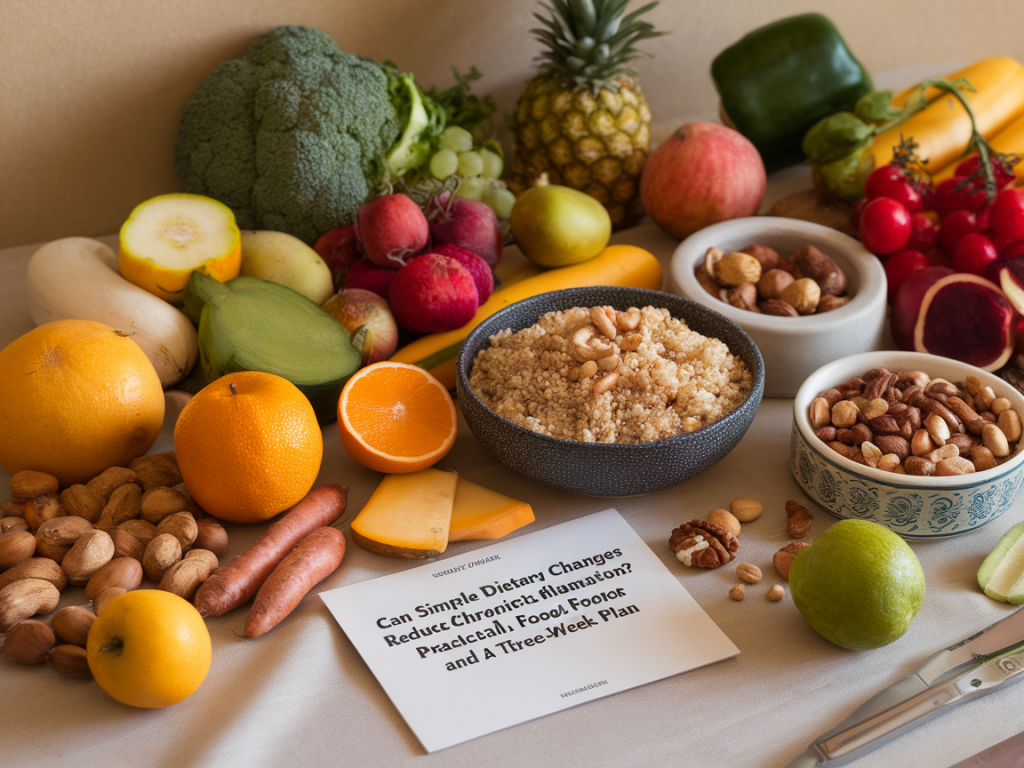
I’ve seen how persistent foot inflammation—the kind that shows up as aching arches, swollen toes, or stubborn plantar pain—can quietly undermine daily movement. Over the years of working with clients and experimenting with sensible, research-informed approaches, I’ve found that simple dietary changes can reduce chronic inflammation for many people. They’re not a magic cure, but paired with sensible footwear, mobility work, and rest, food can be a powerful ally.
Why food matters for foot inflammation
Inflammation is a system-wide response. When your diet repeatedly stimulates pro-inflammatory pathways—through excess refined carbs, processed seed oils, or too much alcohol—your body tends to maintain a higher baseline of inflammatory molecules. That can make an injured or overworked structure in your foot feel worse for longer.
On the flip side, many whole foods contain compounds that blunt inflammation: omega-3 fats, polyphenols, antioxidants, and certain fibres that support a healthy gut microbiome. Those changes don’t always produce dramatic, immediate relief, but over a few weeks you can notice reduced swelling, less morning stiffness, and improved recovery after activity.
Simple, research-backed foods to favor
When I suggest dietary shifts, I prioritize practicality—items you can find in a supermarket and fit into everyday meals. Here are foods I often recommend and why:
Fatty fish (salmon, sardines, mackerel): rich in EPA and DHA, long-chain omega-3s that reduce inflammatory cytokines. Aim for 2–3 servings per week or consider a high-quality fish oil supplement if you don’t eat fish.Olive oil: especially extra virgin olive oil—contains oleocanthal and polyphenols with anti-inflammatory effects. Use it as your primary cooking and dressing oil.Berries (blueberries, strawberries, raspberries): high in anthocyanins and antioxidants that help reduce oxidative stress and inflammation.Nuts and seeds (walnuts, almonds, chia, flax): provide plant-based omega-3s, fibre, and micronutrients. Walnuts in particular have evidence supporting reduced inflammation markers.Leafy greens and cruciferous vegetables (spinach, kale, broccoli): nutrient-dense and rich in anti-inflammatory phytochemicals and fibre.Turmeric (curcumin): a potent anti-inflammatory compound. Use with black pepper and a fat (olive oil or avocado) to increase absorption. I keep a turmeric-laden dressing handy.Fermented foods (yogurt, kefir, kimchi, sauerkraut): support gut health; a healthier microbiome can help regulate systemic inflammation.Whole grains (oats, quinoa, brown rice): fibre-rich, help moderate blood sugar and reduce inflammatory responses compared with refined grains.Foods and habits to limit
Avoiding certain items is often as impactful as adding others. These commonly fuel inflammation:
Refined sugars and sugary beverages (sodas, many flavoured coffees): spike insulin and can promote inflammatory signalling.Highly processed foods and snacks: often high in refined carbs, trans fats, and industrial seed oils.Excessive alcohol: promotes inflammation and interferes with sleep and recovery.Large amounts of omega-6 heavy processed seed oils (some margarine, industrial fried foods): we need omega-6 fats, but the ratio matters. Emphasize whole food sources over processed oils.My practical three-week anti-inflammatory plan for foot recovery
Below is a pragmatic plan I use with clients who want a focused reset. It’s designed to be sustainable, not restrictive. The aim is to shift your meals, reduce pro-inflammatory triggers, and give your body consistent support for three weeks. Pair this with daily gentle mobility, sensible footwear, and a goal of consistent sleep.
| Week | Focus | Daily habits | Sample meals/snacks |
| Week 1 | Reduce obvious triggers and add easy anti-inflammatories | Cut sugary drinks and processed snacks Swap frying oil for extra virgin olive oil 2 servings of vegetables at each main meal | Breakfast: oats with berries, chopped walnuts, cinnamon Lunch: salad with canned sardines, olive oil dressing Snack: plain yogurt + a spoon of mixed seeds |
| Week 2 | Consolidate healthy fats and gut-supporting foods | 2–3 servings of fatty fish per week Daily fermented food (yogurt or kefir) or probiotic supplement Add turmeric to one meal with black pepper | Breakfast: smoothie with kefir, spinach, frozen berries, chia Lunch: quinoa bowl with roasted veg + tahini-olive oil dressing Dinner: grilled salmon, steamed broccoli, brown rice |
| Week 3 | Refine portioning and anti-inflammatory flavours | Keep refined carbs minimal—prioritise whole grains Focus on colourful vegetables and berries Maintain reduced alcohol and processed food intake | Breakfast: scrambled eggs with spinach, wholegrain toast Lunch: lentil salad with roasted red pepper and parsley Snack: apple slices with almond butter |
Realistic expectations and how to track progress
Expect subtle but meaningful changes rather than overnight fixes. I advise clients to track a few simple markers:
Morning stiffness: is it shorter or less intense?Pain level after a standard walk: choose a 15–20 minute test walk and rate pain 0–10 before and after each week.Swelling or visible inflammation: are shoes fitting more comfortably?Keep a brief daily note—just one line—so you can spot patterns. If you don’t see improvement after three weeks, that doesn’t mean food has failed. It may mean we need to zoom out: check footwear, orthotics, activity levels, sleep, and a possible medical review for systemic issues like gout or autoimmune conditions.
Practical tips and product suggestions
Small conveniences make it easier to stick with changes. Here are things I use or recommend:
Frozen wild blueberries: economical and high in antioxidants.Extra virgin olive oil: choose a reputable brand (like Filippo Berio or a local cold-pressed option) and use it for dressings and low-heat cooking.High-quality fish oil: if you don’t eat fish, brands like Nordic Naturals or Wiley’s Finest provide reliable EPA/DHA doses—aim for around 1,000 mg combined EPA+DHA daily after consulting with your clinician.Turmeric curcumin supplement with black pepper extract (piperine): can help if you struggle to incorporate turmeric into meals, but check interactions if you’re on medication.Food is just one piece of the recovery puzzle, but it’s an accessible and low-risk place to begin. Small, consistent changes over a few weeks often translate into real gains in comfort and mobility—especially when paired with sensible self-care and attention to footwear. If you want, I can share a printable grocery list or a 7-day meal plan based on this approach.