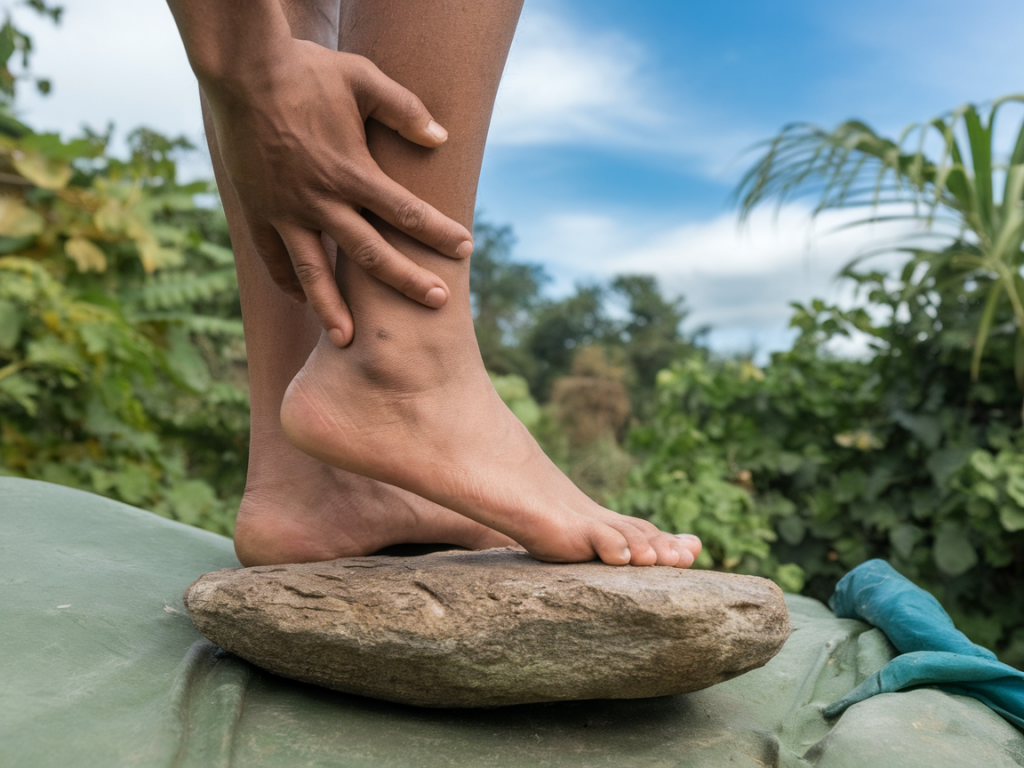
I used to assume that more stretching at night would automatically help my plantar fasciitis. Over time I learned that not all stretches or timing choices are helpful — and in some cases they can make pain worse. If your feet feel worse after your nightly routine, here’s a practical way to test what’s going on and simple changes you can make to protect recovery while still improving mobility.
How to tell if your nightly stretching is making plantar fasciitis worse
First, watch for these clear signs that your evening stretching may be doing harm rather than good. Track them for a few nights to see patterns.
- Increased morning pain: If the first steps after getting out of bed are sharper or take longer to ease compared with before you started the routine, that’s a red flag.
- Delayed-onset foot pain: If pain flares 12–24 hours after stretching (instead of immediate or short-lived discomfort), the stretches may be overloading the tissue.
- Persistent tenderness at the heel: More sensitivity when you press into the insertion point of the plantar fascia after stretching sessions.
- Worse pain during weight-bearing activities: Increased pain during walking, running, or standing tasks the day after stretching.
- Night pain disturbance: If stretches wake you up or keep you from falling asleep due to discomfort.
If you notice one or more of these consistently after your evening work, it’s time for a structured test instead of guessing.
A simple three-night test to identify the culprit
This test isolates whether the timing, the specific stretch, or the intensity is the problem. Keep a short diary: pain on waking (0–10), pain during walking later in the day (0–10), and any notes.
- Night 1 — Your normal routine: Do exactly what you usually do at night. Record morning pain and day pain.
- Night 2 — No evening stretching: Skip all intentional plantar fascia stretching and mobility work. You can do gentle non-weight-bearing ankle range-of-motion if you like, but avoid stretches that load the arch. Record pain the next morning and during the day.
- Night 3 — Modified routine: Try one change at a time — either reduce intensity, shorten hold times, swap stretch type, or shift timing to morning or midday. Record pain again.
Compare the scores. If Night 2 is better than Night 1, your evening stretches are likely contributing. If Night 3 (the modified routine) is better than Night 1 but similar to Night 2, you’ve found a safer approach.
Common ways nightly stretching can make things worse
- Overloading delicate tissue: The plantar fascia is a load-bearing structure. Intense, prolonged end-range stretching (especially with forceful dorsiflexion of the toes) can cause microtears and inflammation.
- Timing with recovery: Stretching right after a long day of standing or activity can add stress to already fatigued tissue.
- Prolonged static holds: Long holds at end range (e.g., 60+ seconds) repeatedly at night may be more likely to aggravate than short, controlled stretches.
- Aggressive loaded stretches: Using a strap or band to pull the toes back hard, or doing weighted stretches, increases load through the plantar fascia.
How to change your routine safely — practical options
Below are adjustments I recommend trying, based on what the three-night test reveals. Pick one change at a time and repeat the test if needed.
- Reduce intensity and duration: Cut hold times to 10–20 seconds and perform 2–3 reps instead of long holds. Gentle is better for recovery.
- Swap to non-weight-bearing range-of-motion: Ankle circles and gentle plantar/dorsiflexion with the foot supported reduce load through the arch while preserving mobility.
- Move stretches to daytime: Perform your main stretching or mobility work in the morning after your body has warmed up, or mid-day following light activity.
- Focus on strengthening, not just stretching: Add short strengthening drills like towel scrunches, marble pickups, and seated or standing heel raises. Strengthening the foot can reduce reliance on passive stretching.
- Try plantar fascia-specific self-mobilization: Use a golf ball or frozen water bottle for gentle rolling for 1–2 minutes — avoid aggressive rolling if it provokes severe pain.
- Use low-load prolonged stretch alternatives carefully: A night splint can keep the foot in a neutral-to-slight dorsiflexion position without repeated active stretching bouts. Some people find night splints reduce morning pain; others don’t tolerate them.
Sample modified nightly routine (gentle, 10–12 minutes)
Try this if your test suggests evening stretching is the issue. Keep intensity low.
- Seated ankle circles: 1 minute each direction, slow and controlled.
- Seated towel stretch (short holds): Loop a towel around the foot, pull gently so toes point toward you, hold 15 seconds, 3 reps. Stop if it sharpens pain.
- Toe curls with towel: Seated, scrunch towel under toes for 1 minute to activate intrinsic muscles.
- Gentle plantar roll: Roll a soft ball or frozen water bottle under foot for 60–90 seconds total, light pressure.
- Calf isometrics: Standing, push gently into a wall while keeping the heel down for 10 seconds, 3 reps to build supportive calf control without heavy loading.
Other things to check and adjust
- Footwear and night behavior: Wearing high heels or unsupportive shoes in the evening can influence the tissue’s load. Swap to supportive shoes or slippers with arch support. Avoid going barefoot on hard floors for long periods.
- Activity load the same day: If you did a long run or long standing day, expect more sensitivity — avoid aggressive evening stretching that day.
- Inflammation management: Simple strategies like icing for 10–15 minutes after heavy activity can help; consult your GP or physio for persistent severe inflammation or if you’re considering NSAIDs.
- Orthotics and support: If you use over-the-counter arch supports or prescription orthotics, keep using them during the day. They can reduce the need for intense passive stretching at night.
| Problem after test | Suggested change |
| Morning pain worse after stretching | Move stretches to morning/midday; shorten holds at night; add strengthening |
| Pain increases 12–24 hours later | Reduce load and intensity; avoid loaded stretches; try ice after activity |
| Night splint uncomfortable | Try softer splint or only use periodically; prioritize daytime control exercises |
Testing your routine systematically takes the guesswork out of recovery. Small, evidence-informed changes — lower intensity, better timing, more strengthening, and sensible footwear — often make a big difference. If pain persists despite sensible adjustments, seek assessment from a physiotherapist or podiatrist who can rule out other issues and offer targeted interventions like guided loading programs or custom orthotics.